Breakfast Quiche Recipe: 3 Crust Options + Baking Tips for a Fluffy, Golden Brunch

As an Amazon Associate, I earn from qualifying purchases, at no extra cost to you.
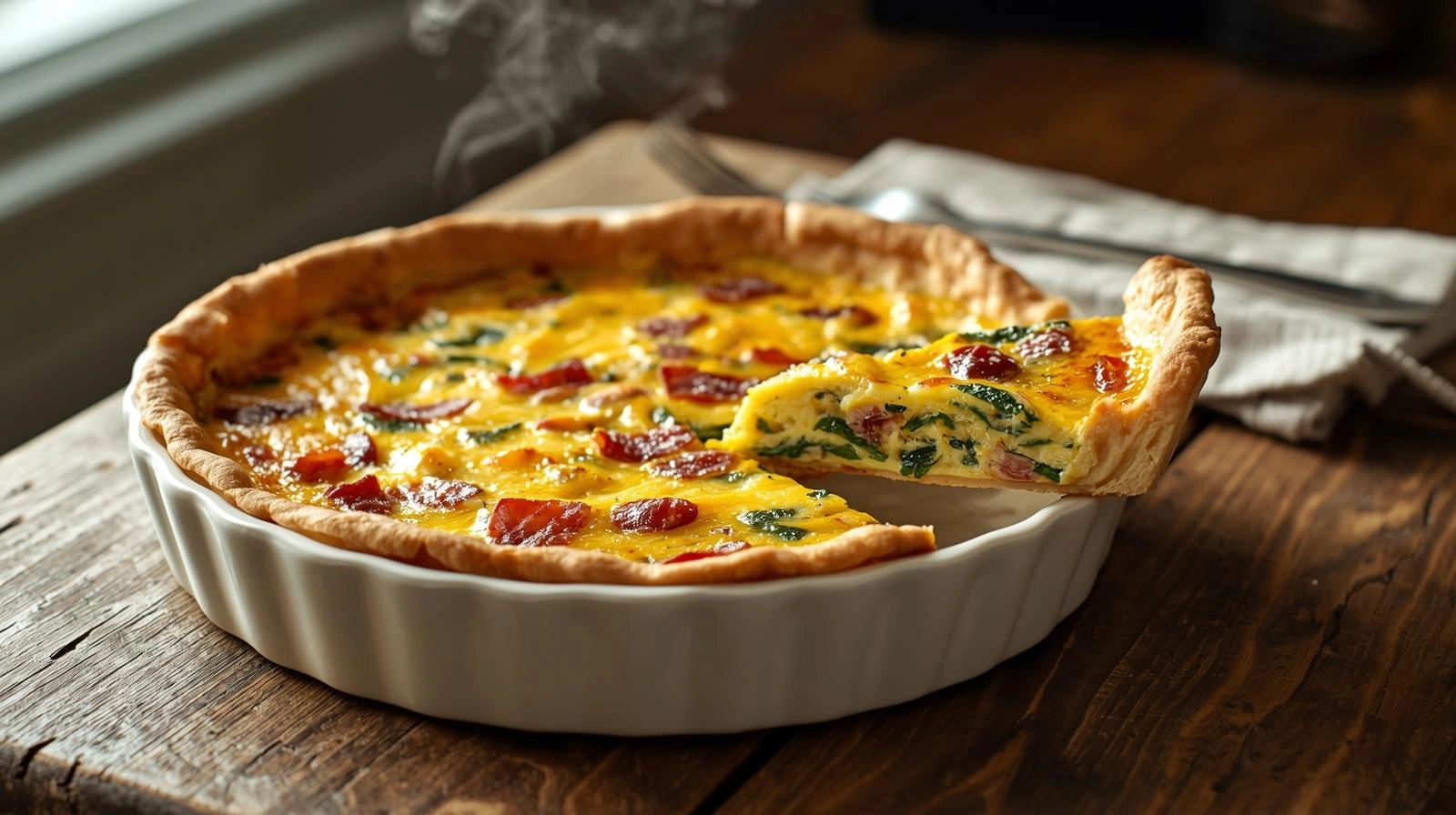
Some mornings you want breakfast to feel like you have your life together, even if you hit snooze twice and your coffee is doing the heavy lifting. This breakfast quiche recipe is that kind of solution. It looks “brunch fancy” tastes like comfort food, and it’s flexible enough that you can use whatever is hanging out in your fridge without ruining the vibe.
And yes, you can absolutely pull this off on a regular weekday. You just need a solid custard base, smart crust choices, and a couple baking tips that keep your quiche from going watery or rubbery.
What Makes a Great Breakfast Quiche Recipe
A quiche is basically a savory egg custard baked in a pie dish. Sounds simple, but the texture can go two ways: silky and tender, or weirdly spongy. The difference is usually heat control and moisture management.
Here’s the “golden rule” that keeps your custard in the sweet spot: use about 1 egg for every 1/2 cup of dairy. That ratio scales up or down cleanly and tends to bake into a creamy slice that still holds together when you cut it. If you prefer a firmer, more frittata-like quiche, you can lean a little heavier on eggs, but don’t be surprised if it sets up tighter.
One more thing, crust matters, but not in the “you must be a pastry person” way. Crust changes how the bottom behaves, how long the quiche bakes, and whether you get that crisp bite or a softer edge.
Tools + Pan Size (So It Sets Right)
You don’t need a chefy setup, but a few basics make life easier:
- 9-inch pie plate (standard depth). A deeper dish can work, but it often needs extra bake time.
- Sheet pan under your pie plate to catch drips and keep handling simple.
- Whisk and a mixing bowl.
- Optional but helpful: instant-read thermometer.
If you like certainty, the thermometer approach is straightforward. Egg dishes should be reheated to 165°F for safety, and that same number is a good “done enough” benchmark for a baked quiche center. Some cooks prefer pulling closer to 170 to 175°F for a cleaner slice, but once you push too far past that, the custard can tighten and squeeze out moisture.
Ingredients for This Breakfast Quiche Recipe (Base + Add-Ins)
The base is the same every time: eggs, dairy, salt, pepper, then cheese and fillings.
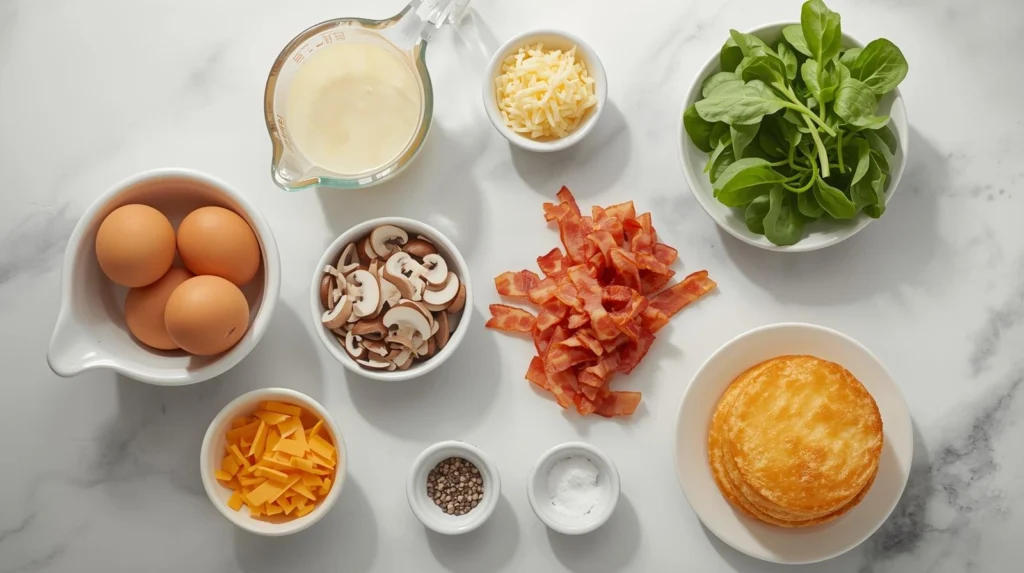
Your base custard
- Eggs
- Half-and-half or milk (a splash of cream is nice if you want it richer)
- Salt and black pepper
- Cheese (cheddar, Swiss, gruyere, pepper jack, feta, whatever matches your fillings)
Mix-ins that actually work
You can use almost anything, but a few ingredients are “high-risk” for watery quiche. The main culprits are mushrooms, zucchini, tomatoes, and spinach. They’re not bad, they just need to be cooked down and drained.
A simple guideline that helps: cook your fillings first, then cool them a bit before they go into the crust. If they’re steaming hot, they can throw off bake time and add extra moisture.
Ingredient table (9-inch quiche)
Use this as your dependable starting point.
| Ingredient | Amount | Notes |
|---|---|---|
| Large eggs | 5 | This amount gives you a custardy but sliceable set. |
| Half-and-half | 1 cup | You can swap with milk for a lighter quiche. |
| Salt | 3/4 tsp | Go lighter if your fillings are salty. |
| Black pepper | 1/4 tsp | Add more if you like a stronger kick. |
| Shredded cheese | 1 to 1.5 cups | Cheddar, Swiss, gruyere all work well. |
| Cooked mix-ins | 1.5 to 2 cups | Don’t overload or the center may struggle to set. |
| Crust option | 1 | Choose classic, crustless, or hash brown crust. |
Easy flavor combos (pick one)
If you want “safe crowd-pleasers” these are hard to mess up:
- Bacon + cheddar + sautéed onion
- Ham + Swiss + broccoli (cooked and dried off)
- Spinach + feta + scallions (spinach squeezed dry)
- Mushrooms + gruyere + thyme
- Southwest: pepper jack + green chiles + cooked sausage
Crust Options (3 Ways)
This is where you choose your vibe: traditional, quick, or crispy and fun.
Option 1: Classic pie crust (traditional and flaky)
If you love that bakery-style slice, go classic. Store-bought crust is fine, and honestly, it’s usually what busy people do.
Key tip: blind-bake the crust so it stays crisp and doesn’t turn into a soft, damp layer. You’re basically giving it a head start before you add wet custard.
Option 2: Crustless quiche recipe (fastest)
Crustless quiche is the weeknight hero. You grease the dish well, add fillings, pour the custard, bake, and you’re done.
A lot of crustless quiche recipes bake at 350°F for about 30 to 40 minutes, depending on the dish and fillings. If you’ve ever had a crustless quiche that felt watery, it’s usually not the lack of crust, it’s the fillings not being cooked down enough.
Option 3: Hash brown crust (crispy brunch energy)
This one feels like something you’d pay for at brunch, but it’s totally doable at home.
The big rule is simple and a little annoying: thaw the hash browns and squeeze them really dry. That step is what separates crispy from soggy. Many hash brown crust recipes also par-bake the crust at a higher temperature (425°F is common) for about 15 minutes to set it up before adding the custard.
If you want extra structure, make sure there are no gaps in the crust so the custard doesn’t leak through.
Step-by-Step: How to Make This Breakfast Quiche Recipe
This method works for all three crust styles, with small tweaks.
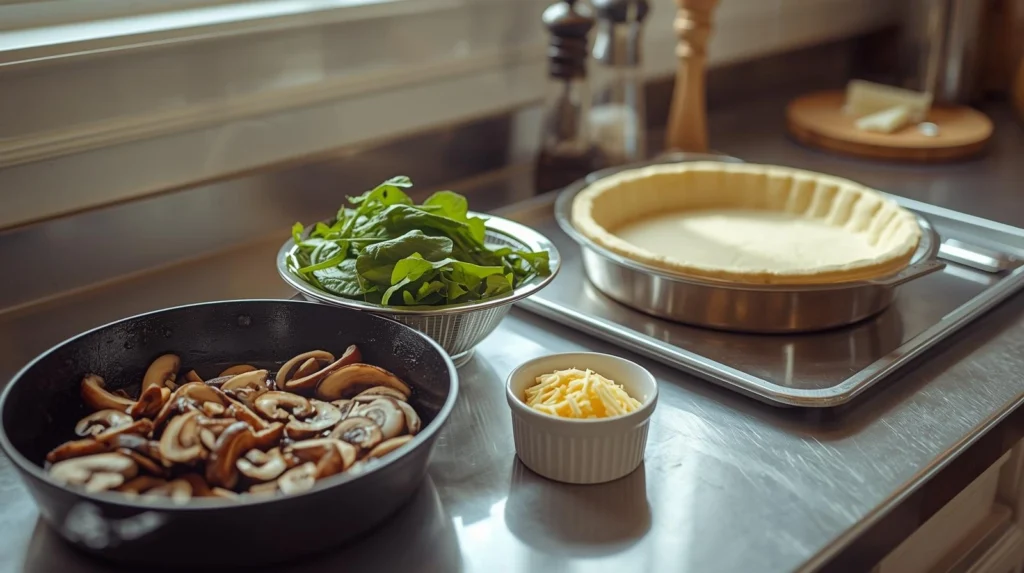
1) Prep your fillings (this prevents watery quiche)
- Cook bacon or sausage fully, then drain well.
- Sauté mushrooms until they stop releasing liquid.
- For spinach, cook it briefly, then squeeze it dry in a clean towel.
- For onions and peppers, sauté until softened.
If you skip this step, your quiche may look set when it’s hot, then “weep” liquid as it cools. That’s the classic watery quiche problem.
2) Handle the crust
Choose what applies to you:
- Classic crust: blind-bake until lightly golden, then cool a bit.
- Hash brown crust: squeeze dry, press into the dish, par-bake. The squeeze step is repeatedly called out as crucial for crispness.
- Crustless: grease your pie plate generously.
3) Mix the custard
Whisk eggs, dairy, salt, and pepper until smooth. You’re not trying to whip air into it like a cake, just blend it.
If you like a smoother finish, you can strain the mixture, but that’s optional. The bigger win is simply keeping the egg-to-dairy ratio steady, like the 1 egg per 1/2 cup dairy rule.
4) Assemble in the smart order
A simple order that helps with even bites:
- Put fillings in first.
- Sprinkle cheese.
- Pour custard over everything.
- Give the dish a gentle shake so the custard slips into the gaps.
5) Bake and rest
For crustless quiche, 350°F for 30 to 40 minutes is a common range. For crusted quiche, times can run longer, especially with a deep dish and heavy fillings.
Your “done” sign:
- Edges look set.
- Center has a slight jiggle, not a wet slosh.
Then rest the quiche at least 10 to 15 minutes before slicing. It keeps setting as it cools, and your slices won’t collapse.
Baking Tips That Actually Prevent Quiche Disasters
Let’s talk about the problems people complain about, because you’ve probably seen at least one of them.
How to keep quiche from getting watery
This may sound obvious, but it’s usually the whole game:
- Cook fillings first, especially mushrooms, spinach, zucchini.
- Squeeze moisture out of hash browns for hash brown crust, it’s repeatedly emphasized as the crispness key.
- Don’t overload fillings. Too much “stuff” can block custard from setting evenly.
How to avoid rubbery texture
Rubbery quiche is often overbaked. Eggs tighten as they overcook. If you use a thermometer, you’re aiming for a safe, set center, and 165°F is the key safety number used for reheating egg dishes. Many people pull slightly above that for structure, then rely on the rest time to finish the set.
If your top browns too fast, lightly cover with foil and keep baking until the center is ready.
Doneness checks you can trust
You have a few options:
- Jiggle test: slight wobble in the center, edges stable.
- Knife test: a thin knife comes out mostly clean from near the center.
- Thermometer: center reads around the mid-160s, you rest it and it firms up.
None is perfect in every oven. If your oven runs hot, you may find the jiggle test is more reliable than time.
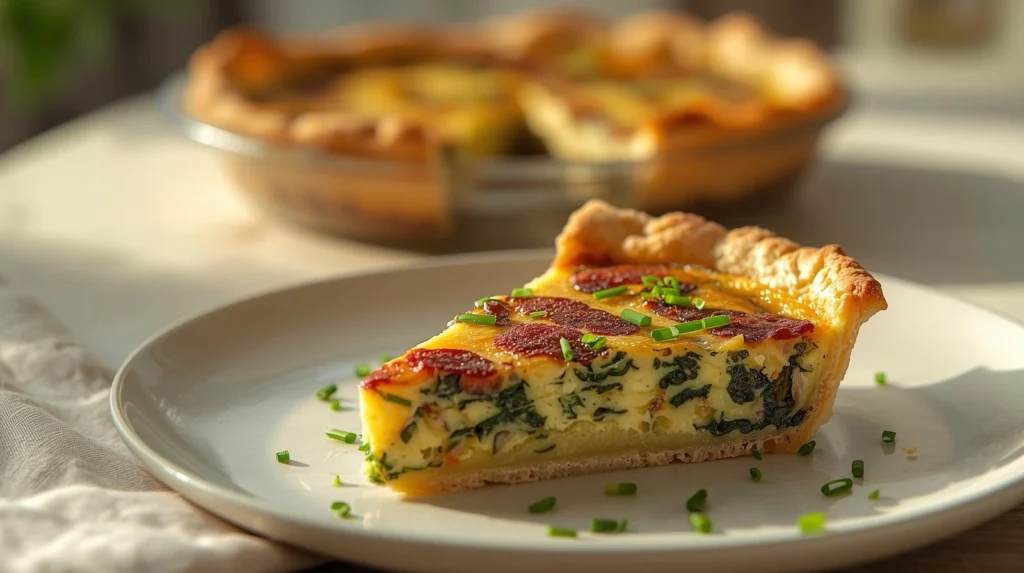
Make Ahead, Storage, Freezing, Reheating
This is where the breakfast quiche recipe becomes a real life-hack. You bake once, then breakfast feels suspiciously easy for days.
Make ahead breakfast quiche
You can bake the quiche the night before, cool it, and refrigerate. Next day, you reheat slices while you make coffee.
How long does quiche last in the fridge?
USDA guidance says cooked leftovers should be used within 3 to 4 days. FoodSafety.gov’s cold storage chart also lists egg casseroles at 3 to 4 days after baking. Quiche fits that same category, so treat it like you would any cooked egg dish.
Reheat safely (and keep it tasty)
FDA guidance notes cooked eggs and egg dishes can be refrigerated and should be thoroughly reheated to 165°F before serving. Practically, that means you warm slices in the oven until hot through, not just lukewarm in the center.
For best texture:
- Oven reheating keeps crust crisper.
- Microwave works, but the crust softens and the custard can heat unevenly.
Freezing quiche
FoodSafety.gov lists egg casseroles as freezer-friendly for 2 to 3 months after baking. If you freeze it, wrap slices well, thaw overnight in the fridge, then reheat.
Serving Ideas (Brunch, Meal Prep, Real Life)
Quiche can be a full meal, but it shines with simple sides:
- Fresh fruit or berries
- Arugula salad with lemon and olive oil
- Roasted potatoes (especially if you made crustless quiche)
- Yogurt parfaits if you’re feeding kids or picky eaters
If you’re hosting, this is an easy move: bake two quiches with different flavors. One meat, one vegetarian breakfast quiche, and you look like you planned everything.
FAQ: Breakfast Quiche Recipe Questions
Can you make this breakfast quiche recipe crustless?
Yes, and it’s one of the easiest ways to get an easy breakfast quiche on the table. Grease the dish well, cook down watery fillings, and bake at 350°F until set, commonly 30 to 40 minutes depending on your pan and fillings.
How do you keep a breakfast quiche recipe from getting watery?
Cook and drain your fillings first, and don’t skip moisture control steps like squeezing spinach or hash browns dry, which is specifically emphasized for hash brown crust success.
What’s the best cheese for a breakfast quiche recipe?
Cheddar gives you bold flavor, Swiss and gruyere bake into a classic diner-style taste, and feta works well if you like a tangier, lighter feel. The “best” cheese is likely the one that matches your fillings, like cheddar with bacon or gruyere with mushrooms.
What temperature do you bake a breakfast quiche recipe at?
Many home-style recipes use 350°F, especially for crustless quiche. If you’re using a hash brown crust, you often par-bake the crust hotter first, then finish the quiche at a lower temperature.
How do you know when your breakfast quiche recipe is done?
Look for set edges and a slight center jiggle, then rest before slicing. If you reheat leftovers, FDA guidance says to reheat egg dishes to 165°F, and that same temperature is a practical minimum target for a safely cooked center.
Recommended Tools for Easier Quiche
If you want this breakfast quiche recipe to feel even easier next time, scroll down and check our recommended Amazon affiliate picks below the article. A sturdy pie dish helps your quiche bake evenly, a rimmed sheet pan underneath catches any spills and makes transfers safer, good measuring cups keep your custard ratio consistent, and a reliable meat thermometer takes the guesswork out of doneness, so you get clean slices on the first try.
Related Products
Below are Amazon affiliate links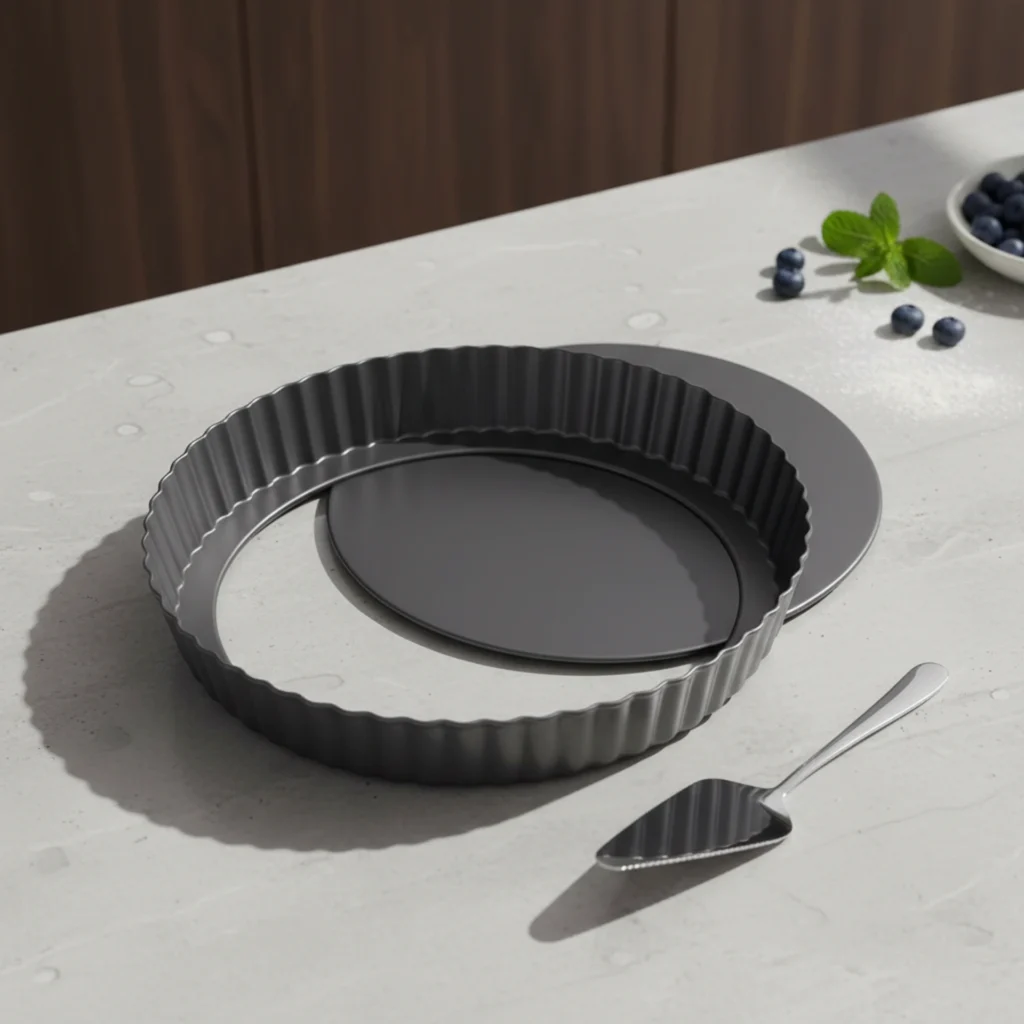
9 Inch Quiche Tart Pans with Pie Cake Server
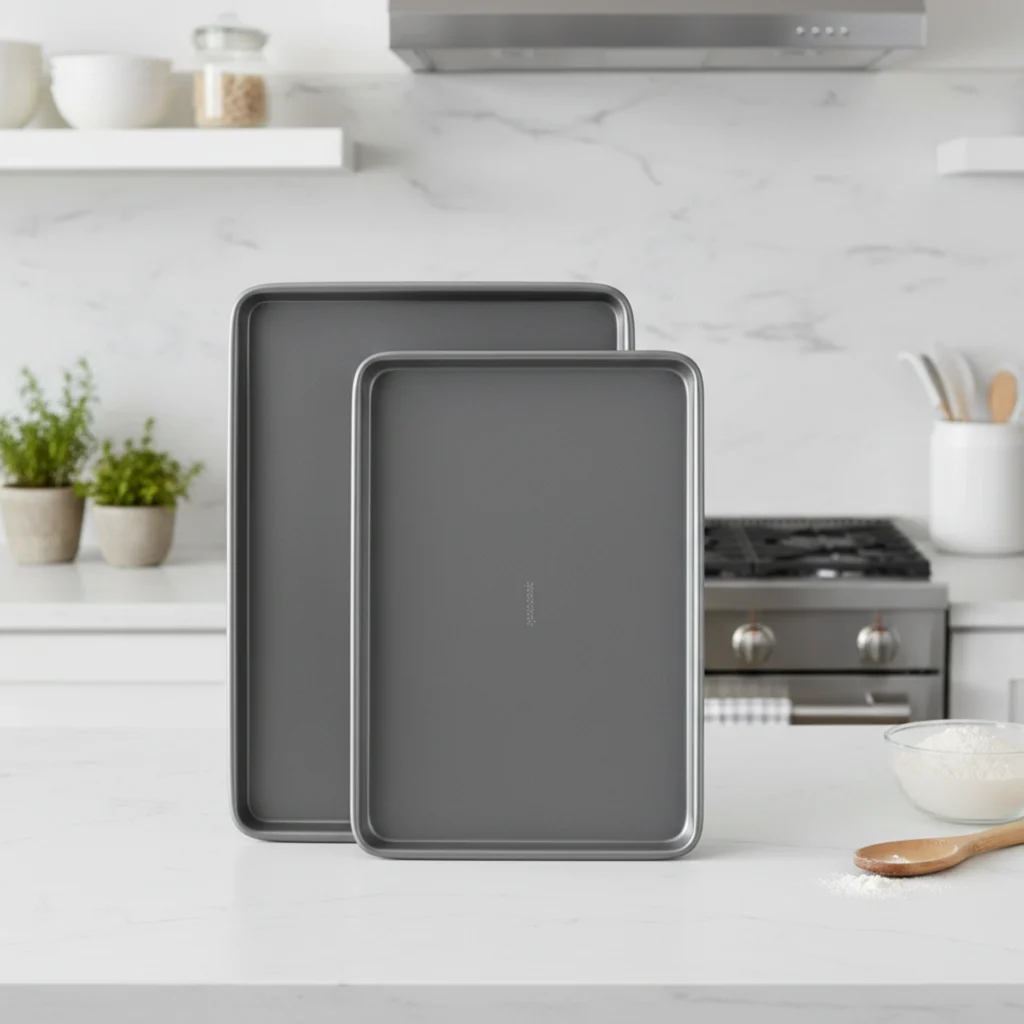
GoodCook Everyday Nonstick Baking Sheet Set
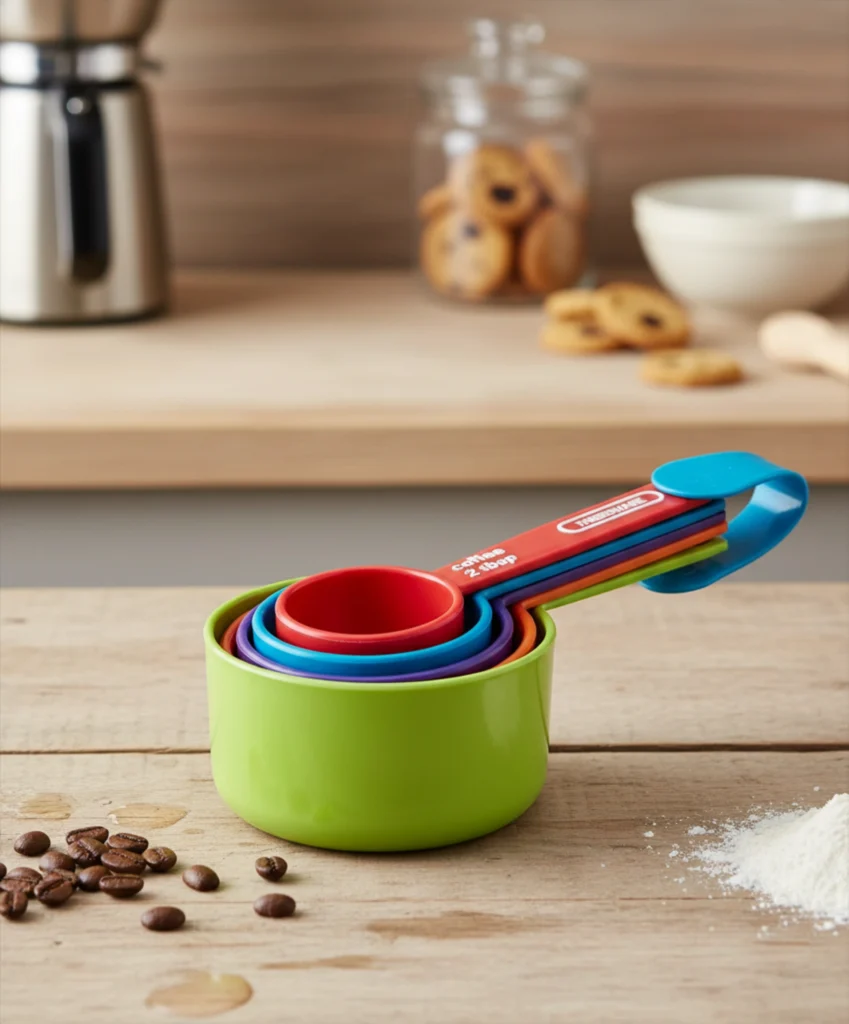
FARBERWARE 5-Piece Measuring Cup Set
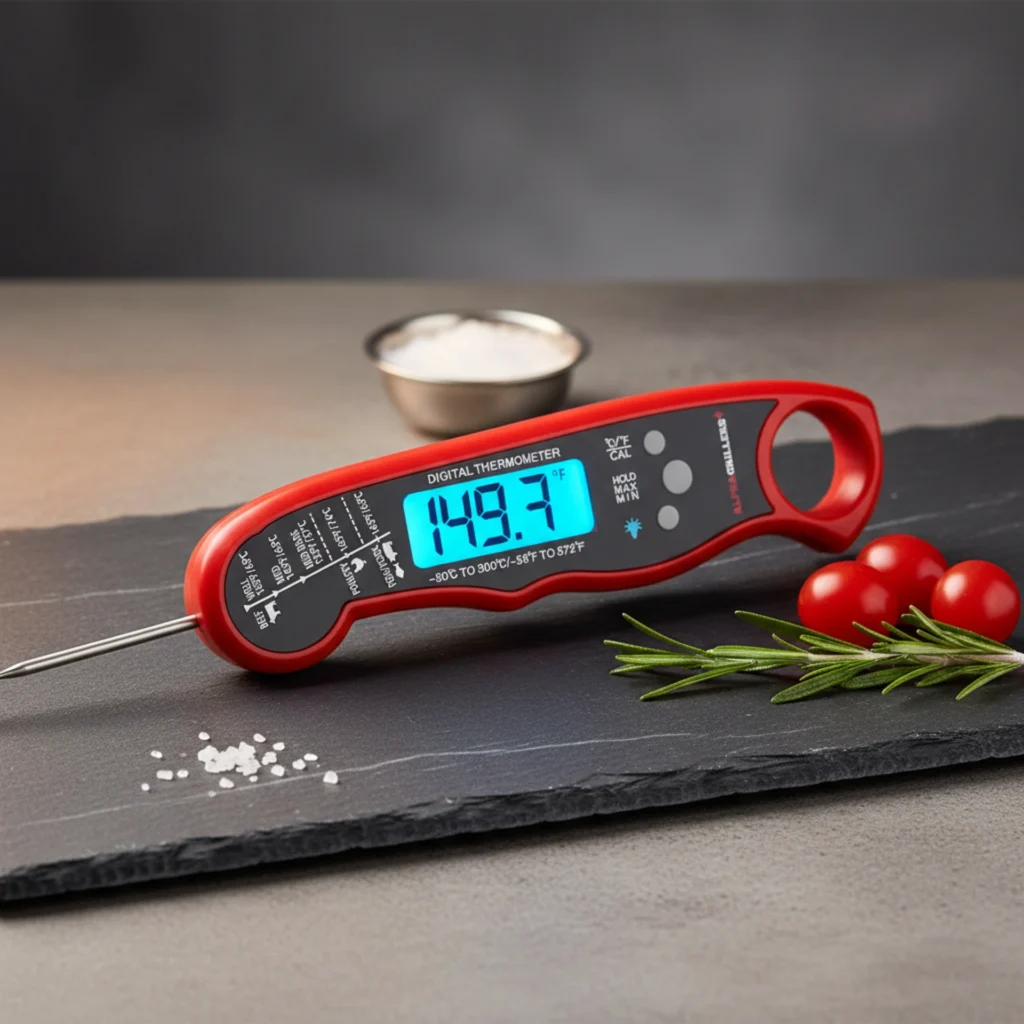
Alpha Grillers Meat Thermometer
Browse more categories
Helpful Cooking Resources
Bon appétit! Did you try making this?
Drop a comment below and let us know how it went!