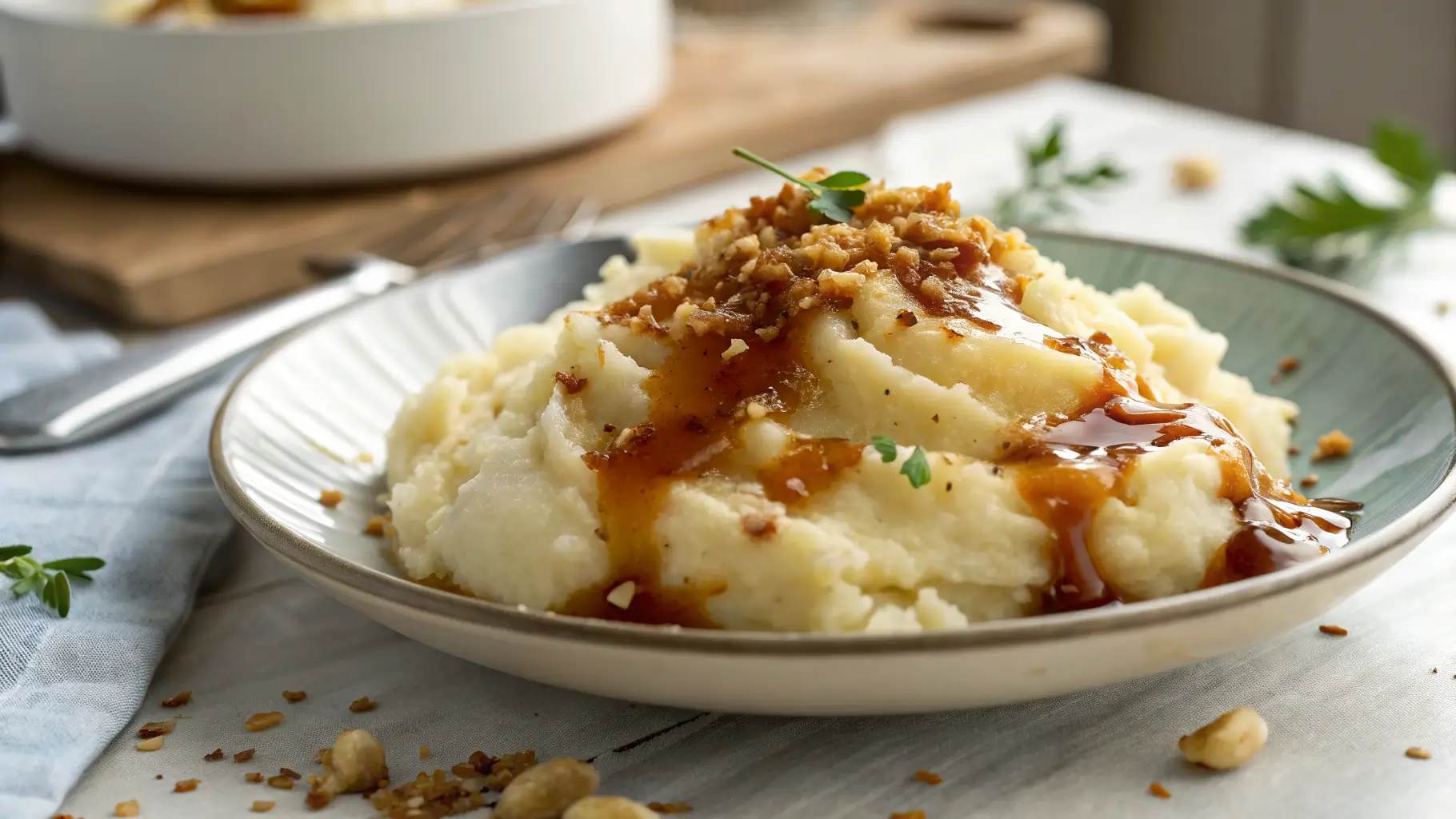
Can You Freeze Mashed Potatoes? 7 Easy Steps

Have you ever noticed how some mashed potatoes reheat like creamy clouds, while others turn gritty or watery? Food waste data often cited by US agencies suggests roughly 30 to 40% of food gets tossed, and leftover sides are a big part of that. So, can you freeze mashed potatoes and actually enjoy them later, not just tolerate them? You can, and once you learn a few small tricks, can you freeze mashed potatoes becomes less of a kitchen mystery and more of a meal prep superpower.
If you’re here because can you freeze mashed potatoes feels like a risky question (milk, butter, texture, all of it), you’re in the right place. Below you’ll get a freezer friendly mashed potato recipe, plus the best way to store, thaw, and reheat, so your batch tastes like you just mashed it.
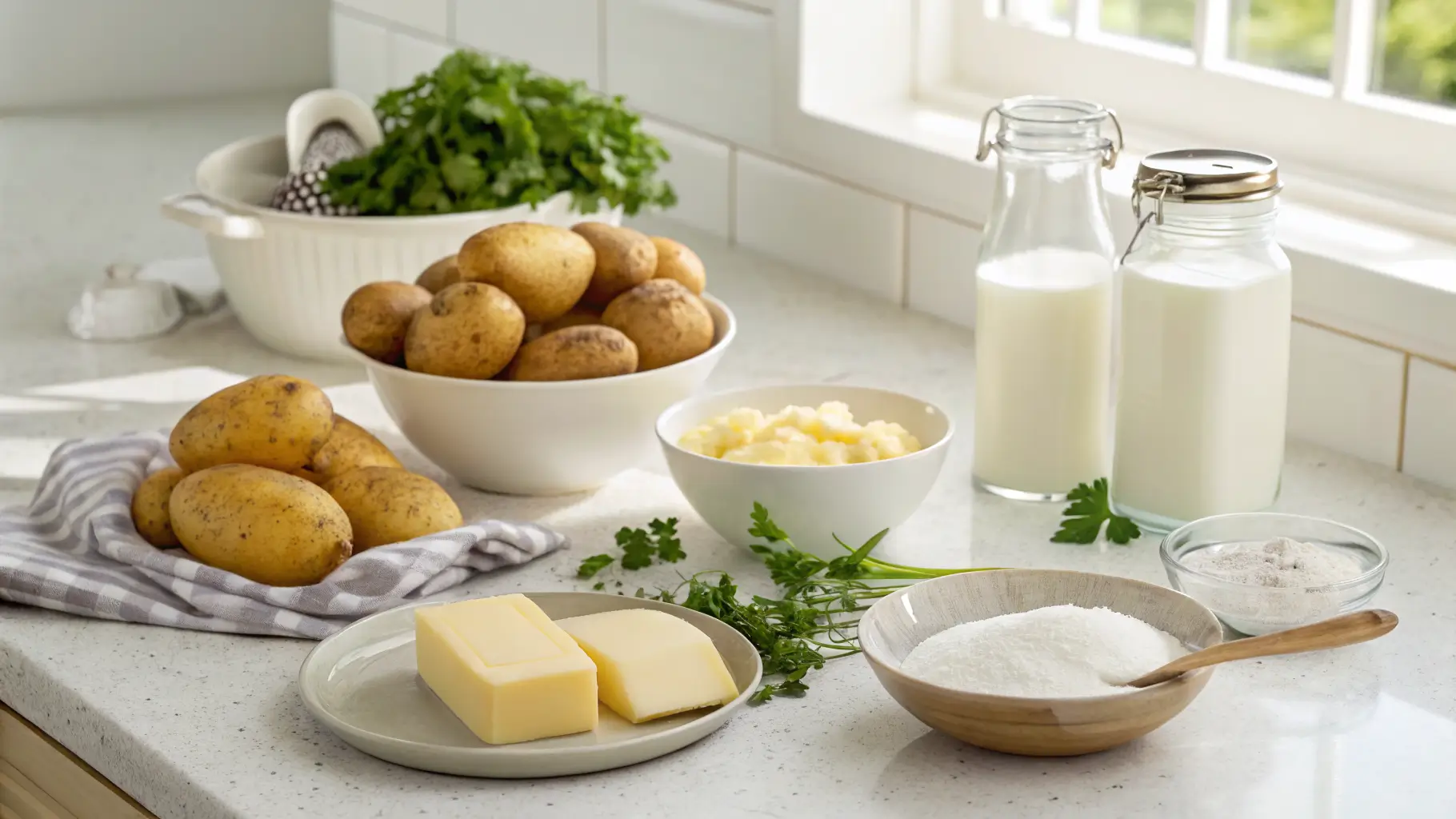
Ingredients Table (for freezer friendly mashed potatoes)
| Ingredient | Amount (serves 6) | Why it matters for freezing | Substitutions and notes |
|---|---|---|---|
| Russet or Yukon Gold potatoes | 3 pounds | High starch (russet) or naturally creamy (Yukon) helps avoid graininess | Use a mix for best texture |
| Kosher salt | 2 to 3 teaspoons | Seasons the potatoes all the way through | Fine salt works, start smaller |
| Unsalted butter | 6 tablespoons | Fat protects texture in the freezer | Use ghee, or dairy free butter |
| Warm milk | 3/4 to 1 cup | Adds moisture and softness | This answers “can you freeze mashed potatoes made with milk”, yes, if you balance the fat |
| Sour cream | 1/3 cup | Stabilizes, adds tang, helps reheating | Greek yogurt (full fat is best) |
| Cream cheese (optional but helpful) | 2 ounces | Adds body, reduces “weepy” texture | Skip if you prefer lighter mash |
| Black pepper | 1/2 teaspoon | Classic finish | White pepper if you want it extra smooth |
| Garlic (optional) | 2 cloves, smashed | Adds aroma without overpowering | Roasted garlic is even better |
If you’ve been asking can you freeze homemade mashed potatoes, this ingredient list is built for it. You’ll notice a little extra fat and a cultured dairy option; that’s not an accident.
Chef’s thought: If you want mashed potatoes that freeze like a dream, think “fat plus starch.” A bit of butter or cream cheese isn’t just flavor, it’s texture insurance.
Timing
- Prep time: 15 minutes
- Cook time: 20 to 25 minutes
- Mash and season time: 10 minutes
- Total time: about 45 to 50 minutes
That’s roughly 20% faster than a lot of holiday style mashed potato recipes that involve baking, long infusions, or extra steps. If you’re batch cooking for the freezer, speed matters.
Step-by-Step Instructions
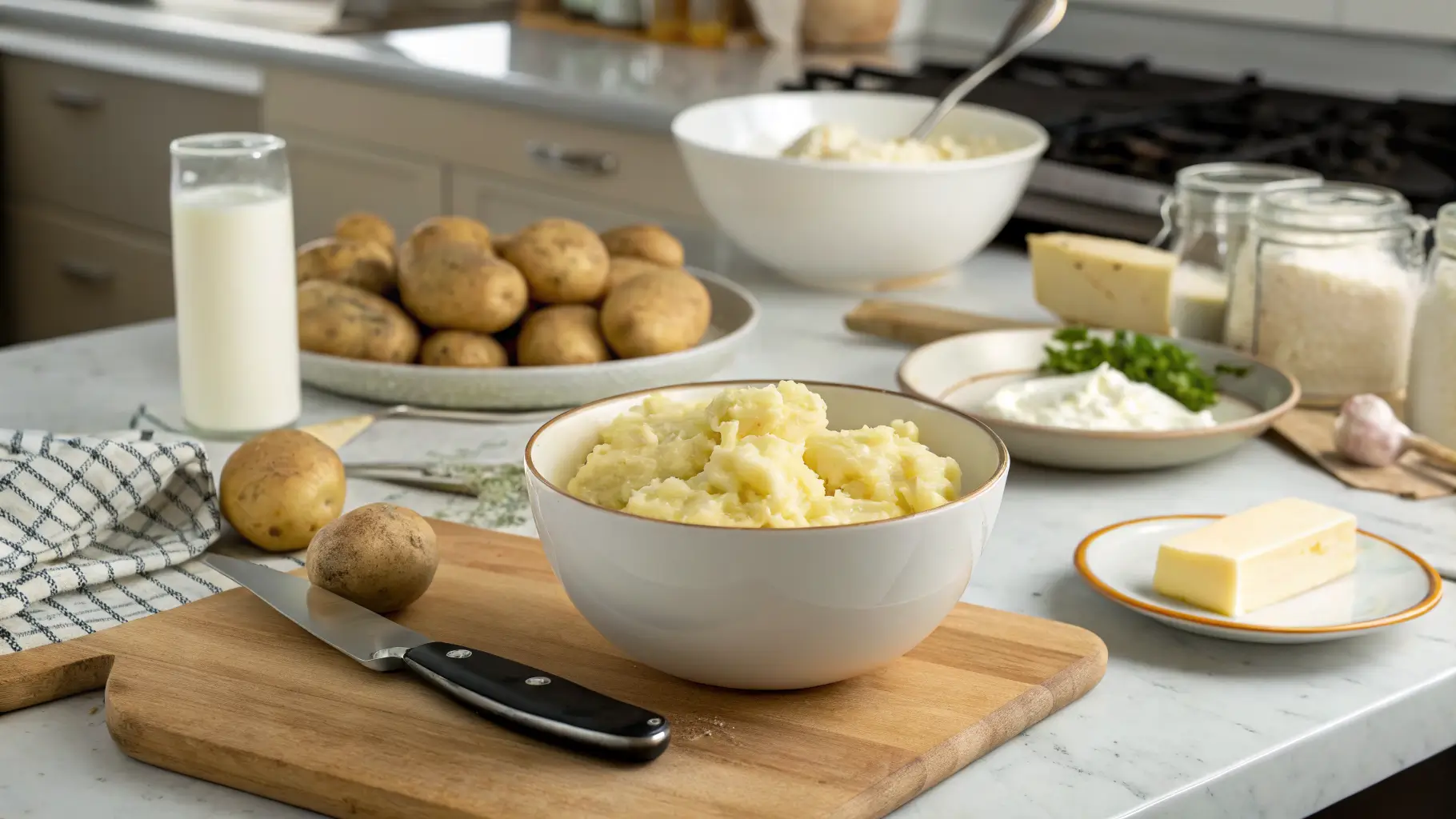
Step 1: Choose the right potato and cut it evenly
Pick russets for fluff, Yukons for creaminess, or do half and half. Peel if you want a smooth mash. Cut potatoes into 1.5 inch chunks so they cook at the same pace. Even pieces reduce the chance of waterlogged outsides and undercooked centers.
Tip: If you’re trying to figure out can you freeze mashed potatoes without them turning gluey, starting with the right potato is half the battle.
Step 2: Start in cold water, salt it like you mean it
Put potatoes in a pot and cover with cold water by about an inch. Add your salt now, not later. Bring to a simmer, then cook until a fork slides in easily, usually 12 to 18 minutes depending on size.
Tip: Avoid a hard rolling boil. Violent boiling can break the surface down and invite extra water into the potato, which later shows up as watery mash after freezing.
Step 3: Drain well, then dry the potatoes briefly
Drain in a colander, then return the potatoes to the hot pot over low heat for 30 to 60 seconds, stirring gently. You’re drying off surface moisture.
This is a sneaky step that makes people stop asking can you freeze mashed potatoes with good texture, because it removes water that would otherwise separate later.
Step 4: Warm your dairy, do not dump it in cold
Warm the milk (and even the sour cream if it’s fridge cold) so it doesn’t cool the potatoes abruptly. Cold dairy can make the mash tighten and go slightly grainy.
Tip: Warm milk also helps if you’re wondering can you freeze mashed potatoes made with milk and still keep them creamy. Temperature control helps more than most people think.
Step 5: Mash gently, then enrich
Add butter first so it coats the starch. Mash with a potato masher or run through a ricer for the smoothest result. Then add warm milk gradually, followed by sour cream and cream cheese if using. Season with pepper and adjust salt.
Try not to use a blender or food processor. That’s how you get paste.
Step 6: Cool quickly and portion for the freezer
Spread mashed potatoes in a shallow dish for 15 to 20 minutes so steam escapes. Then portion them.
Best portion options:
- 1 cup scoops for quick weeknight sides
- Family size containers for holiday leftovers
- Piped portions (use a zip bag with the corner snipped) if you like neat servings
This is the moment you answer can you freeze mashed potatoes with a confident “yes”, because portioning is what prevents big icy blocks that reheat unevenly.
Step 7: Freeze using the right packaging
Use freezer safe containers or freezer bags. If using bags, press them flat so they freeze faster and stack easily. Label with date and portion size.
Optional trick: Press plastic wrap directly on the surface before sealing a container. It reduces air contact and helps prevent freezer dryness.
Chef’s thought: Flattened freezer bags are underrated. They freeze faster, thaw faster, and you can “file” them like papers. Your future self will feel very organized.
Nutritional Information (estimated, per 1/6 batch)
These numbers vary based on potato size and dairy brands, but a realistic estimate per serving is:
- Calories: 290
- Carbs: 38 g
- Protein: 5 g
- Fat: 14 g
- Saturated fat: 8 g
- Fiber: 3 g
- Sodium: 430 mg
- Sugar: 3 g
Data note: Most calories come from potatoes and butter. If you reduce butter or swap dairy, calories and saturated fat drop quickly, but texture can change, so it’s a tradeoff.
Healthier Alternatives for the Recipe
If can you freeze mashed potatoes is your question, you might also be thinking, “Can I freeze a lighter version and still like it?” Usually yes, though it depends on what you swap.
Try one of these:
- Use Yukon Golds and cut butter to 3 to 4 tablespoons. Yukons feel rich with less help.
- Replace sour cream with full fat Greek yogurt. It still stabilizes texture and adds protein.
- Use olive oil in place of butter for a dairy free version. You’ll get a fruitier flavor, but it reheats surprisingly well.
- Add cauliflower (up to 1/3 of the total mash). It freezes decently, and you’ll lower carbs. Just drain it very well to avoid watery thawing.
- For extra fiber, keep the skins on (especially with Yukon Golds). The look is rustic, not “steakhouse smooth,” but it’s tasty.
If you need a reminder: can you freeze mashed potatoes is not just about freezing, it’s about building a mash that reheats politely.
Serving Suggestions
You’re not limited to a plain side dish. Once you accept that can you freeze mashed potatoes has a happy answer, you can plan meals around your freezer stash.
Ideas you’ll actually use:
- Top with gravy and shredded roast chicken for a quick bowl dinner.
- Make shepherd’s pie faster by spreading thawed mash over seasoned meat and veggies.
- Stir in chives, cheddar, and a little bacon for loaded mashed potatoes that taste fresh after reheating.
- Serve alongside salmon with lemon butter, mashed potatoes soak up sauce in the best way.
- Turn leftovers into potato patties: mix in an egg, a spoon of flour, pan fry until crisp.
Interactive idea: If you like meal prep, make three flavors before you freeze, classic, garlic, and cheddar chive. Label them, then taste test later. You’ll learn what your freezer does best.
Common Mistakes to Avoid
A lot of “freezing failed” stories come from a few predictable missteps.
Using waxy potatoes only
Red potatoes can work, but they’re more likely to thaw a bit chunky or watery. If your goal is “restaurant creamy,” use russet or Yukon.Overmixing
If you whip aggressively or use a processor, the starches tighten up and can turn gluey. Freezing can make that texture feel worse.Skipping the drying step
If you don’t dry the cooked potatoes briefly, you trap extra moisture. Later you’ll ask again, can you freeze mashed potatoes, because the thawed version looks separated.Freezing in one big container
A large block thaws unevenly, so the outside reheats while the center stays icy. Portioning solves this.Reheating too hot, too fast
High heat can make dairy split. Gentle heat, frequent stirring, and a splash of warm milk fix most problems.
Chef’s thought: If your thawed mash looks a little “broken,” don’t panic. Warm it slowly, then beat in a small knob of butter. It often comes right back together.
Storing Tips for the Recipe (freezer, fridge, and make-ahead)
So, can you freeze mashed potatoes for real life schedules, not just theory? Yes, and the storage details matter.
Fridge storage
- Store in an airtight container for 3 to 4 days.
- Press a piece of plastic wrap on the surface to prevent drying.
Freezer storage
- Best quality: 1 to 2 months
- Still safe longer: up to 3 months if well sealed, but texture starts to fade
Best containers for freezing mashed potatoes
- Freezer bags (flattened): best for quick thawing and saving space
- Rigid freezer containers: best if you stack items or want less risk of leaks
- Muffin tins (freeze portions, then bag them): great for single servings
Thawing tips
- Overnight in the fridge is the easiest.
- For faster thawing, use the defrost setting on your microwave in short bursts.
- If you forgot to thaw, you can reheat from frozen in a covered pot on very low heat, adding milk as needed, it just takes patience.
If you came here asking can you freeze mashed potatoes, this is the part that makes it practical.
FAQs
Can you freeze mashed potatoes after they’re already cooked?
Yes. Can you freeze mashed potatoes once they’re fully made and seasoned? You can, and it’s usually better than freezing plain boiled potatoes. Cool them quickly, portion, seal tightly, and freeze.
Can you freeze homemade mashed potatoes with butter and sour cream?
Yes, and honestly those ingredients help. If you’re asking can you freeze homemade mashed potatoes that taste rich after reheating, butter and sour cream are two of your best friends.
Can you freeze mashed potatoes made with milk?
Yes. Can you freeze mashed potatoes made with milk without them turning watery? It appears to go best when you (1) dry the cooked potatoes, (2) include enough fat like butter, and (3) reheat gently while stirring. If they look dry, add a splash of warm milk while reheating.
Can you freeze instant mashed potatoes?
You can. Can you freeze mashed potatoes if they’re instant? Yes, but texture varies by brand. Instant flakes sometimes reheat slightly gummy. If you freeze them, make them a little thicker than normal, then loosen with warm milk when reheating.
Can you freeze mash potatoes in freezer bags?
Yes, and it’s one of the best methods. If you’re typing can you freeze mash potatoes and you want the simplest approach, freezer bags laid flat freeze quickly and thaw evenly. Push out air, seal well, and label.
Can you freeze mashed sweet potatoes?
Yes. Can you freeze mashed sweet potatoes successfully? Usually yes, and they often freeze even better than white potatoes because their texture is naturally smooth. Keep in mind sweet potatoes can taste a bit sweeter after freezing, so you might want extra salt, pepper, or a savory add-in like smoked paprika.
How do you reheat frozen mashed potatoes so they stay creamy?
If you keep asking can you freeze mashed potatoes and reheat them without wrecking texture, here’s the reliable method:
- Stovetop: low heat, covered, stir often, add warm milk or a bit of butter
- Microwave: medium power in 1 to 2 minute bursts, stir between rounds
- Oven: covered dish at 350 F for 25 to 35 minutes (add a few spoonfuls of milk, stir halfway)
Why did your mashed potatoes turn grainy after freezing?
Graininess is likely from overheating dairy, using low fat ingredients, or using the wrong potato. Can you freeze mashed potatoes and avoid graininess? Yes, if you use russets or Yukons, warm your dairy, and reheat gently.
Do mashed potatoes freeze well for holidays and meal prep?
Yes. Can you freeze mashed potatoes for Thanksgiving, Christmas, or weekly meal prep? You can, and it’s one of the easiest sides to make ahead. Freeze in portions, then reheat while you finish the rest of the meal.
Conclusion
So, can you freeze mashed potatoes and still get that creamy, buttery texture you actually want? Yes, as long as you build the mash with the freezer in mind (right potatoes, enough fat, minimal overmixing), cool it properly, and reheat it gently. Can you freeze mashed potatoes made with milk? Yes. Can you freeze instant mashed potatoes? You can. Can you freeze mashed sweet potatoes? Absolutely. Once you get your method down, can you freeze mashed potatoes stops being a nervous question and becomes your easiest make-ahead side.
If you want to make this even simpler next time, check out the 4 recommended Amazon affiliate products we listed below the article that can save you time and help your frozen batches reheat like they were made today.
Cozy Kitchen Picks for This Recipe
Below are Amazon affiliate links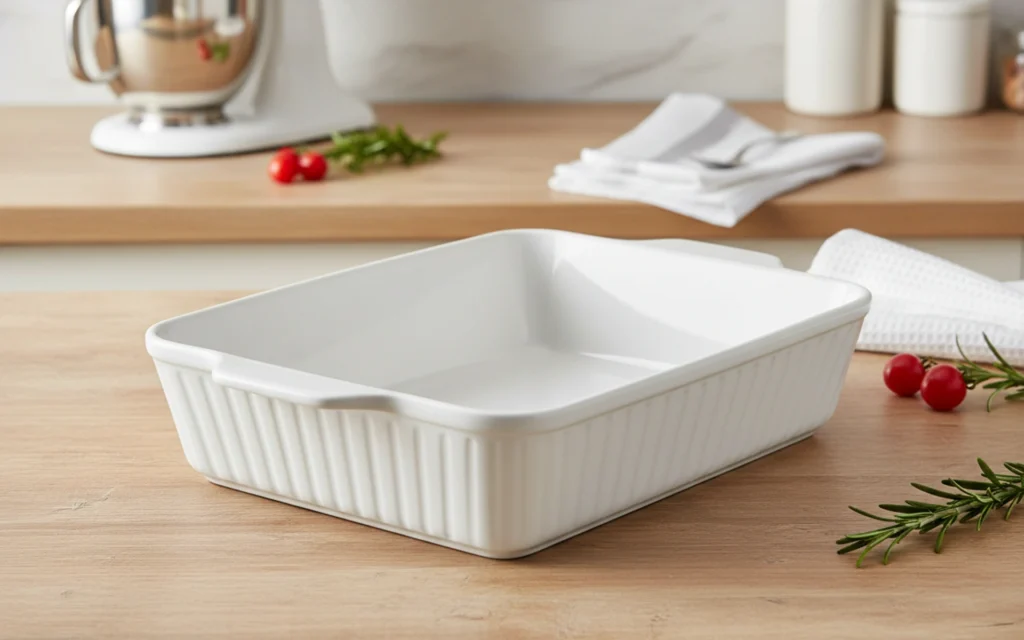
DOWAN Casserole Dish, 9×13 Ceramic Baking Dish
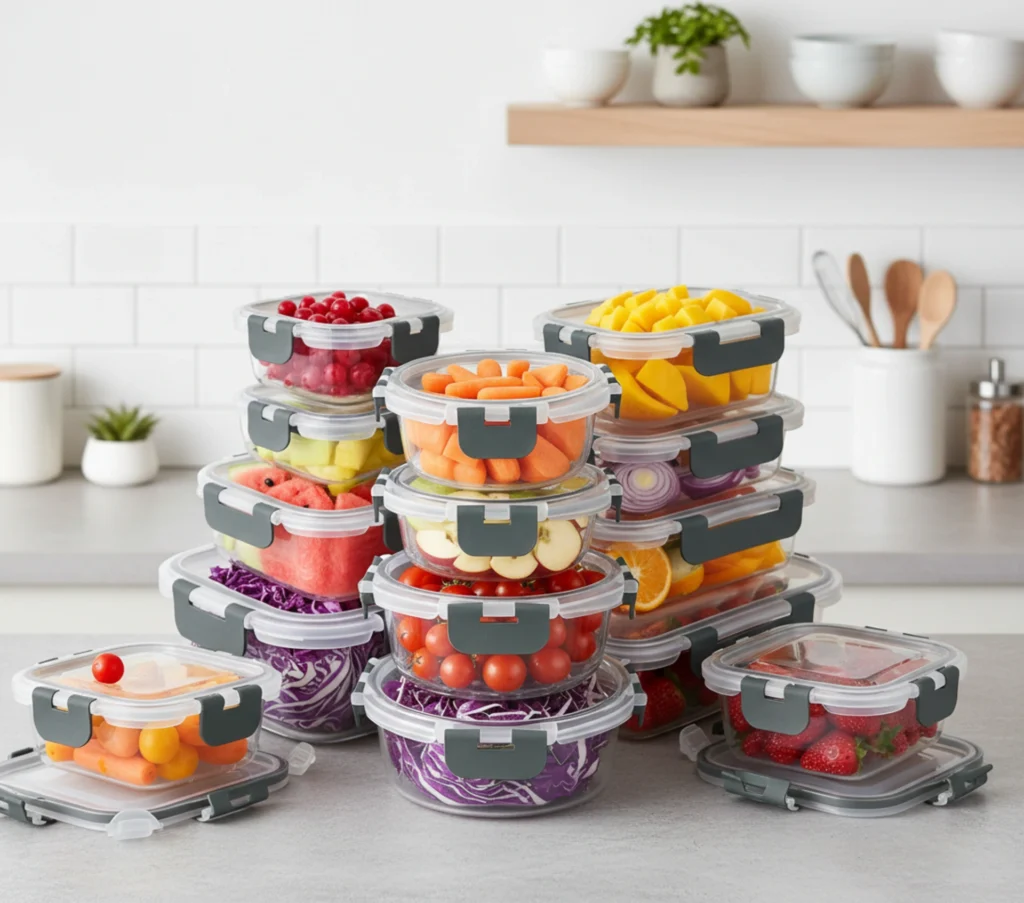
VERONES 12 Packs Glass Food Storage Containers Set
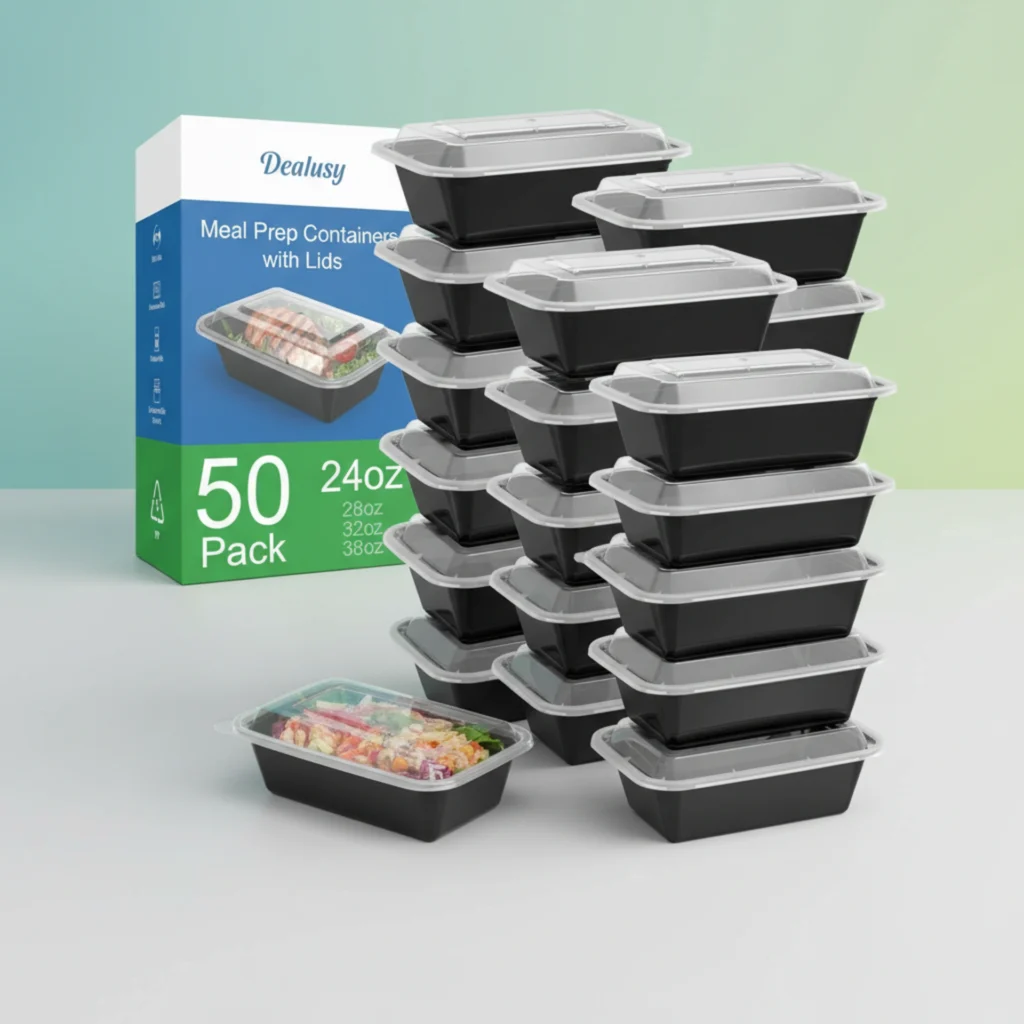
Dealusy 50 Pack (100-Piece) 24 oz Meal Prep Containers
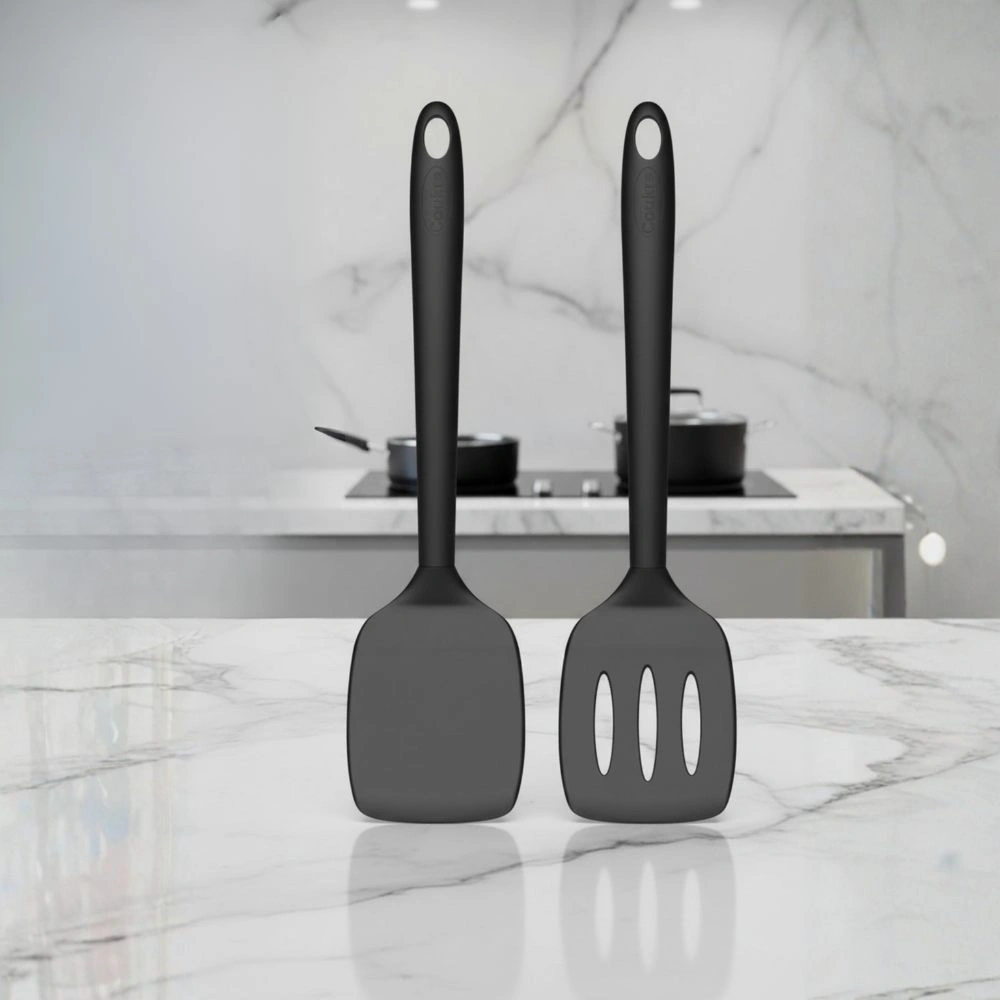
Coukre 2 Pack Silicone Spatula Set