Alfredo Sauce Recipe Easy (2026): How to Make It Smooth (No Clumps)

As an Amazon Associate, I earn from qualifying purchases, at no extra cost to you.
You know that moment when you’re craving creamy fettuccine Alfredo, like, the kind that feels cozy and a little fancy at the same time, and you’re convinced it’ll take ten minutes… until your sauce turns weird. Maybe it gets grainy. Maybe it clumps into little cheese pebbles. Or it splits and suddenly there’s butterfat pooling around the edges like it gave up.
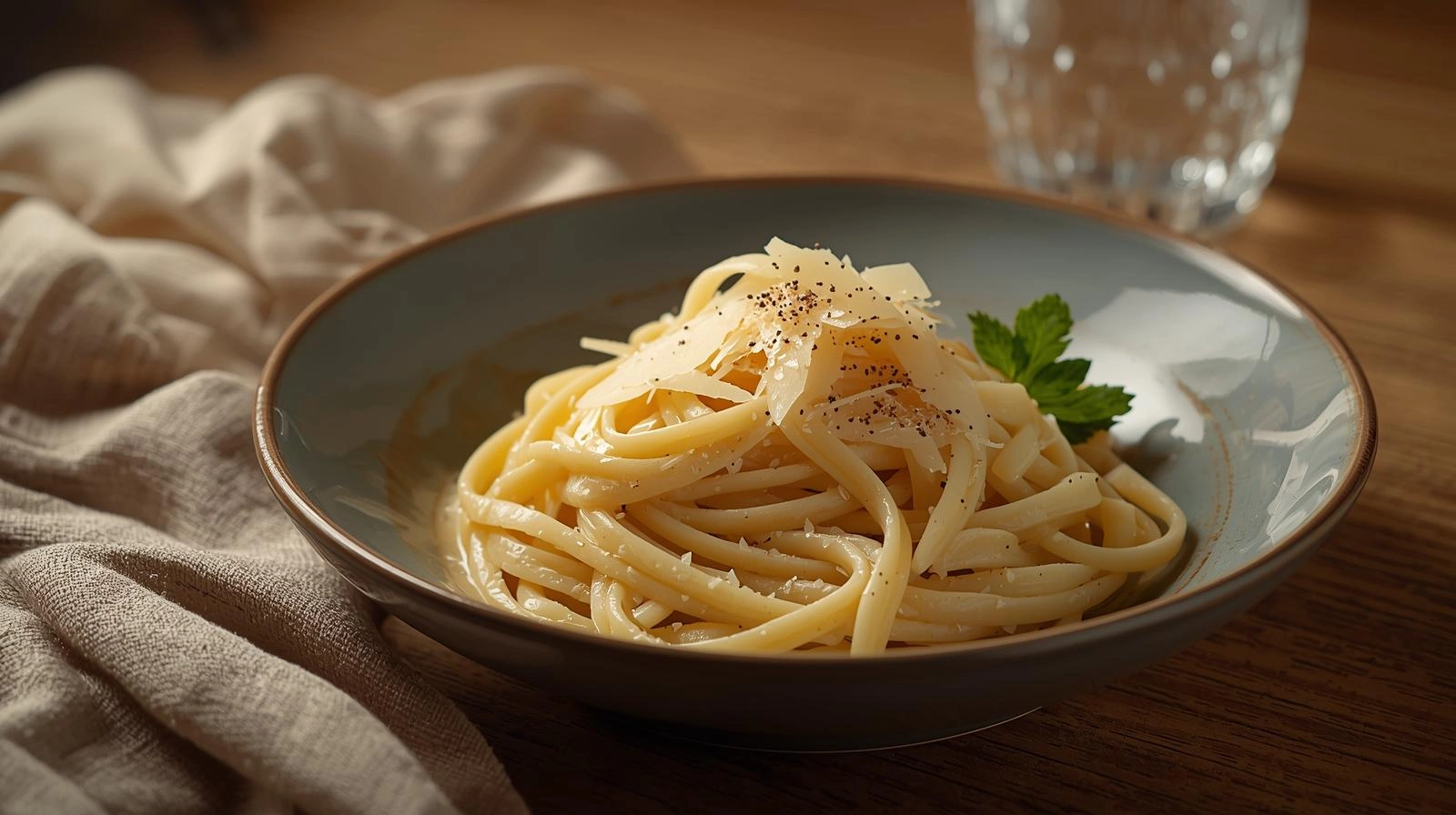
If that’s happened to you, you’re not “bad at cooking.” Alfredo is just one of those sauces that looks simple on paper, but it punishes high heat and impatience. The good news: once you understand the couple of things that make it go wrong, a smooth, glossy Alfredo becomes almost boringly reliable. And yes, this alfredo sauce recipe easy enough for a weeknight actually stays silky.
Why This Alfredo Sauce Stays Smooth (No Clumps)
The simple science of clumps (and how to stop them)
Alfredo is basically a warm emulsion: fat (butter + cream) plus melted cheese, held together by gentle heat and steady mixing. When it goes wrong, it usually goes wrong in one of two ways:
- Clumps happen when cheese hits heat that’s too high or gets added all at once. The proteins tighten up fast, and instead of melting into the sauce, the cheese grabs onto itself.
- Breaking (splitting) looks different: the sauce turns oily or separated. That’s usually a sign the emulsion got stressed, often by boiling or overheating after the cheese is in.
There’s also a sneakier culprit: pre-shredded cheese. It often contains anti-caking agents designed to keep shreds separate in the bag. Those additives aren’t “bad,” exactly, but they can make melting smoother… less likely. Freshly grated cheese melts more predictably.
What “broken” Alfredo looks like vs. clumpy Alfredo
This distinction matters because your fix changes:
- If your sauce has visible bits of cheese, you’re dealing with clumps. You need lower heat and a little liquid to coax melting.
- If it looks greasy or separated, you need to rebuild the emulsion gently, often with a splash of warm liquid and a whisk.
You’ll see both fixes later, so you’re not stuck tossing dinner.
Alfredo Sauce Ingredients (Best Choices for Smooth Texture)
The best cheese for Alfredo (and what to avoid)
If you want the shortest path to smooth sauce, use:
- Freshly grated Parmesan (ideally from a wedge)
- Finely grated, not thick shreds
What to avoid if you’re chasing that restaurant-smooth texture:
- Pre-shredded Parmesan in a bag (it may work, but it’s more temperamental)
- Shelf-stable “Parmesan” in a can for this purpose (it tends to melt unevenly and can taste harsh)
If you like a sharper, saltier finish, a little Romano can be great. Just don’t make it the majority; it can dominate quickly.
Cream, butter, and garlic – what matters most
- Heavy cream is the easiest way to get that plush, stable texture because it has enough fat to behave nicely under heat.
- Unsalted butter helps you control salt, since Parmesan is already salty.
- Garlic is optional, but it makes the sauce taste less one-note. Fresh minced garlic gives the best aroma; garlic powder works in a pinch and won’t burn.
Ingredients table (recipe-ready)
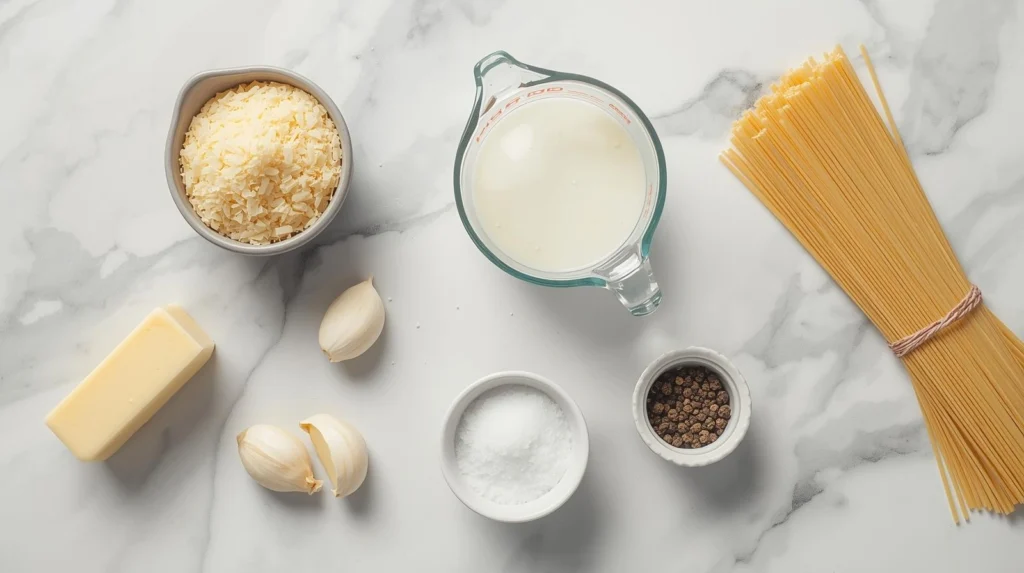
Ingredients for 4 servings (about 2 cups sauce)
| Ingredient | Amount | Notes for no-clump success |
|---|---|---|
| Unsalted butter | 4 tbsp | Control the salt yourself |
| Heavy cream | 1 cup | Most reliable for silky texture |
| Garlic (minced) | 2 cloves | Optional, sauté briefly |
| Freshly grated Parmesan | 1 to 1.5 cups | Add gradually off heat |
| Salt | To taste | Taste after adding cheese |
| Black pepper | To taste | Classic Alfredo finish |
| Reserved pasta water (optional) | 2 to 6 tbsp | Helps emulsify + loosen |
If you’re cooking pasta, save at least 1 cup of pasta water before draining. You probably won’t use it all, but it’s your secret weapon.
Alfredo Sauce Recipe Easy (Step-by-Step, No Clumps)
Equipment you’ll want (small details that help)
You don’t need fancy gear, but a couple things make life easier:
- A heavy-bottom saucepan (less scorching, steadier heat)
- A whisk (or whisk + silicone spatula)
- A fine grater or microplane for the Parmesan
- Optional: an instant-read thermometer (nice, not required)
Step-by-step method (smooth every time)
Here’s the method that tends to behave, even if your stove runs hot.
- Melt the butter over low to medium-low heat.
You’re not browning it. You just want it melted and calm. - Sauté garlic (optional) for 20-30 seconds.
Just until it smells good. If it starts browning, your heat is too high. - Pour in the cream and warm it gently.
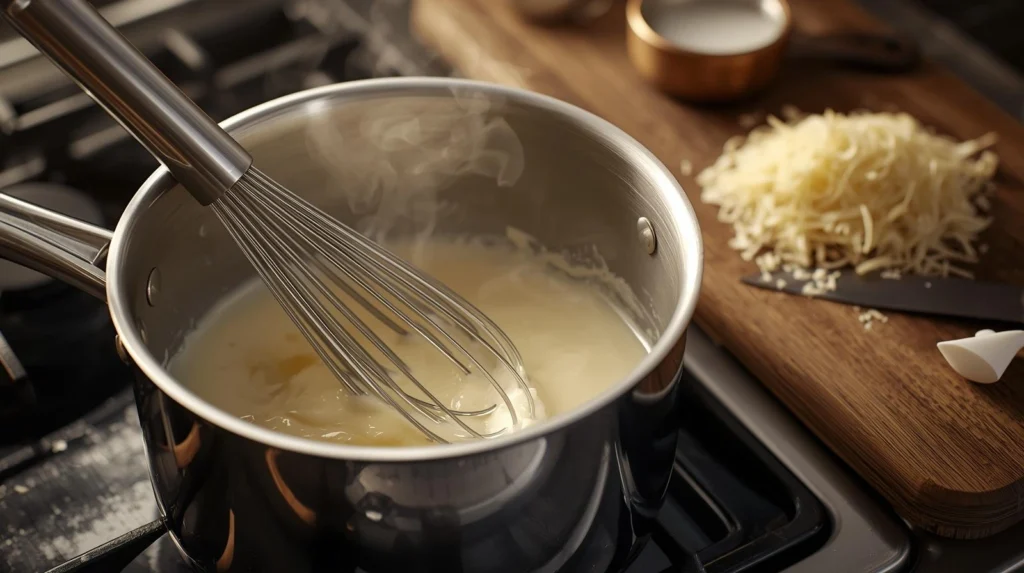
You’re aiming for steaming and hot, not bubbling like a pot of soup. If you see a simmer starting, dial it back. - Turn the heat to low, or remove the pan from the burner.
This is the move that prevents most clumps. Cheese hates aggressive heat. - Add Parmesan in small handfuls while whisking constantly.
Don’t dump it in. Add a little, whisk until smooth, then add more. If it thickens too fast, that’s fine, you’ll adjust. - Adjust with warm pasta water (optional but highly recommended).
Add 1-2 tablespoons at a time. Pasta water contains starch, which helps the sauce cling and look glossy. - Season and serve immediately.
Taste before adding salt. Parmesan can surprise you.
Total time is usually 10-12 minutes. The main trick is patience in the cheese step, even if you’re hungry.
Quick texture targets (so you know you’re on track)
You’re looking for a sauce that:
- Coats the back of a spoon
- Looks shiny, not grainy
- Falls in a thick ribbon when you lift the whisk
If it’s thicker than you want, loosen it with a splash of warm pasta water. If it’s too thin, keep it warm on very low and whisk in a bit more Parmesan, slowly.
The #1 Cause of Clumpy Alfredo (And How to Prevent It)
Heat control: the real make-or-break factor
If I had to bet on one reason people end up with clumps, it’s this: the pan is too hot when the cheese goes in.
Cheese melts best when the sauce is hot, but not boiling. Once you’re at a boil, proteins tighten fast and your sauce can go from “perfect” to “why does it look like that?” in a minute.
A thermometer can help if you like numbers. Many cooks aim to keep the sauce under about 170∘F when melting in the cheese. But you don’t need to obsess over it. Your eyes tell you plenty:
- Steaming = good
- Rapid bubbling = stop, lower heat
Cheese prep: grate size and freshness
This part feels minor, but it matters more than you’d think.
- Finely grated Parmesan melts faster, which means less time over heat
- Cold cheese straight from the fridge may suggest more clumping risk because it drops the sauce temperature unevenly and encourages overcorrection (you crank the heat, then it seizes)
If you can, grate the cheese first and let it sit on the counter while you warm the cream.
How to Fix Alfredo Sauce That Has Clumps (Save It Fast)
You don’t need to panic-fry your sauce into submission. Try these, calmly.
If it’s clumpy (cheese not melting)
- Take the pan off heat immediately
- Whisk steadily, and add warm liquid a tablespoon at a time:
- Warm cream, or
- Warm pasta water
- Give it a minute before adding more cheese
If clumps are stubborn, you can pour the sauce through a fine-mesh strainer. That’s not “cheating.” It’s just damage control.
A blender can work, but it’s a last resort. Blending may add too much air and change the mouthfeel.
If it’s broken (greasy/oily separation)
Breaking is usually heat stress. To pull it back:
- Reduce heat to very low (or off)
- Whisk in a splash of warm cream or pasta water
- Keep whisking until it looks cohesive again
Sometimes the sauce returns quickly. Sometimes it’s fussy. Either way, gentle heat is the theme.
Make It Your Own (Variations That Still Stay Smooth)
Traditional Alfredo is straightforward, but you can still play with it.
Easy protein add-ins
Add proteins cooked and warm, right at the end:
- Sliced chicken breast (pan-seared or rotisserie works)
- Shrimp (quick sauté; don’t overcook)
- Salmon (leftover baked salmon is surprisingly good here)
The reason you add it at the end: extra cooking time tends to thicken the sauce and invites overheating.
Flavor upgrades without clumps
If your Alfredo tastes a little flat, try:
- A pinch of nutmeg (tiny amount, don’t get brave)
- Lemon zest (brightens heavy cream)
- Roasted garlic instead of fresh minced garlic
- Cracked black pepper, heavy-handed if you like it
You’ll also see some cooks add a spoonful of cream cheese as a stabilizer. That can help texture, and it’s honestly tasty, but it nudges the flavor away from classic Alfredo. Not a dealbreaker, just a choice.
Lighter options (and what you sacrifice)
Can you make Alfredo without heavy cream? Yes. Is it as forgiving? Not really.
- Half-and-half can work, but it’s more likely to thin out or split if overheated
- Milk is the hardest path; you’ll need very low heat and careful thickening
If you go lighter, pasta water becomes even more helpful for body and cling.
Serving Suggestions (What to Pair with Alfredo Sauce)
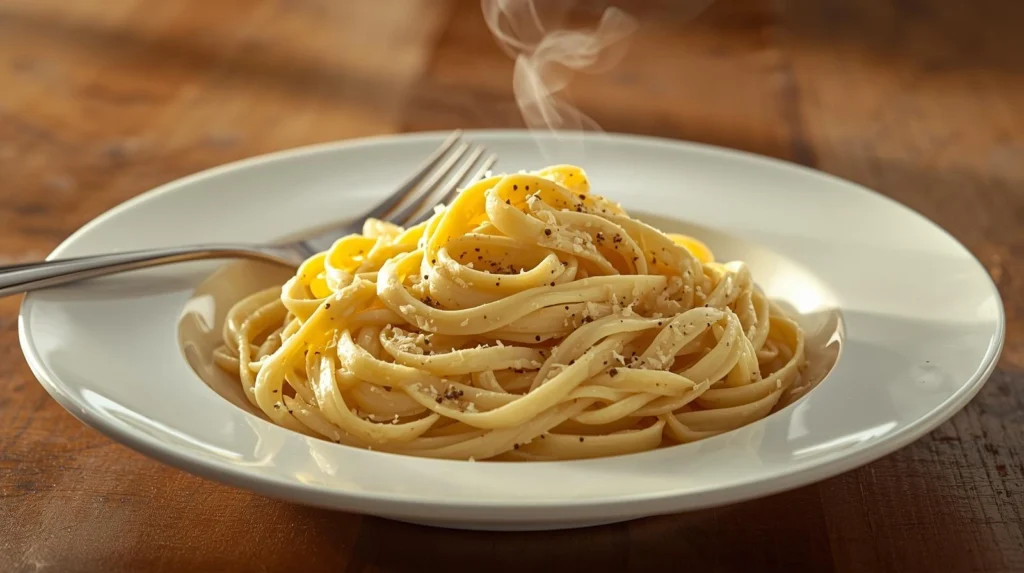
Best pastas for Alfredo
Classic for a reason:
- Fettuccine (big surface area, holds sauce well)
- Linguine (slightly lighter)
- Pappardelle (great if you want “treat yourself” vibes)
Short pasta like penne or rigatoni works too. The sauce collects inside the tubes, which some people love.
How to combine pasta + sauce for restaurant texture
Here’s what many home cooks skip: finishing pasta in the sauce.
- Add drained pasta directly into the saucepan with Alfredo
- Toss over low heat for 30-60 seconds
- Add a splash of pasta water and keep tossing until the sauce hugs the noodles
That little starch + motion combo is likely to give you the glossy look you want.
Storage, Reheating, and Food Safety
How long Alfredo lasts
Store leftover sauce (or sauced pasta) in an airtight container in the fridge. It’s commonly best used within 3-4 days for quality and safety.
Reheating without separation
Reheating is where Alfredo gets moody.
- Warm it slowly on the stove over low heat
- Add a splash of milk or cream while stirring
- If using a microwave, use medium power and short bursts, stirring every time
High heat tends to split dairy sauces. Slow and steady wins again.
FAQ About Alfredo Sauce Recipe Easy (No Clumps)
Why is my alfredo sauce recipe easy turning clumpy?
Your heat is likely too high when the Parmesan goes in, or you’re adding cheese too quickly. Pre-shredded cheese can also clump because it doesn’t melt as cleanly.
Can I make this alfredo sauce recipe easy without heavy cream?
Yes, but it may suggest a thinner sauce and slightly higher risk of splitting. Half-and-half is the best substitute; keep heat low and lean on pasta water for body.
How do I thicken an alfredo sauce recipe easy without flour?
Warm the cream gently, then add Parmesan gradually off heat. If you want it thicker, reduce the sauce slightly before cheese, or add a bit more Parmesan. Pasta water helps it cling, but it won’t “thicken” like flour.
What’s the best Parmesan for an alfredo sauce recipe easy that stays smooth?
A wedge of Parmigiano-Reggiano (or high-quality Parmesan) finely grated is the most consistent. It melts faster and tastes cleaner than pre-grated options.
Can I make alfredo sauce recipe easy ahead of time?
You can, but it’s best fresh. If you make it ahead, reheat gently with a splash of cream or milk and whisk patiently until smooth.
Conclusion
A smooth Alfredo isn’t about fancy technique; it’s about avoiding the two traps: high heat and rushed cheese. Warm your cream gently, pull the pan off the burner when the Parmesan goes in, and add the cheese in small handfuls while whisking. Use pasta water like a steering wheel to control texture, and you’ll end up with that glossy, clingy sauce that makes dinner feel like you planned it.
If you try this alfredo sauce recipe easy method, leave a comment with what you served it with, and tell me honestly: did you go classic fettuccine, or did you do something rebellious like rigatoni?
Related Products
Below are Amazon affiliate links
GoodCook Everyday Nonstick Baking Sheet Set
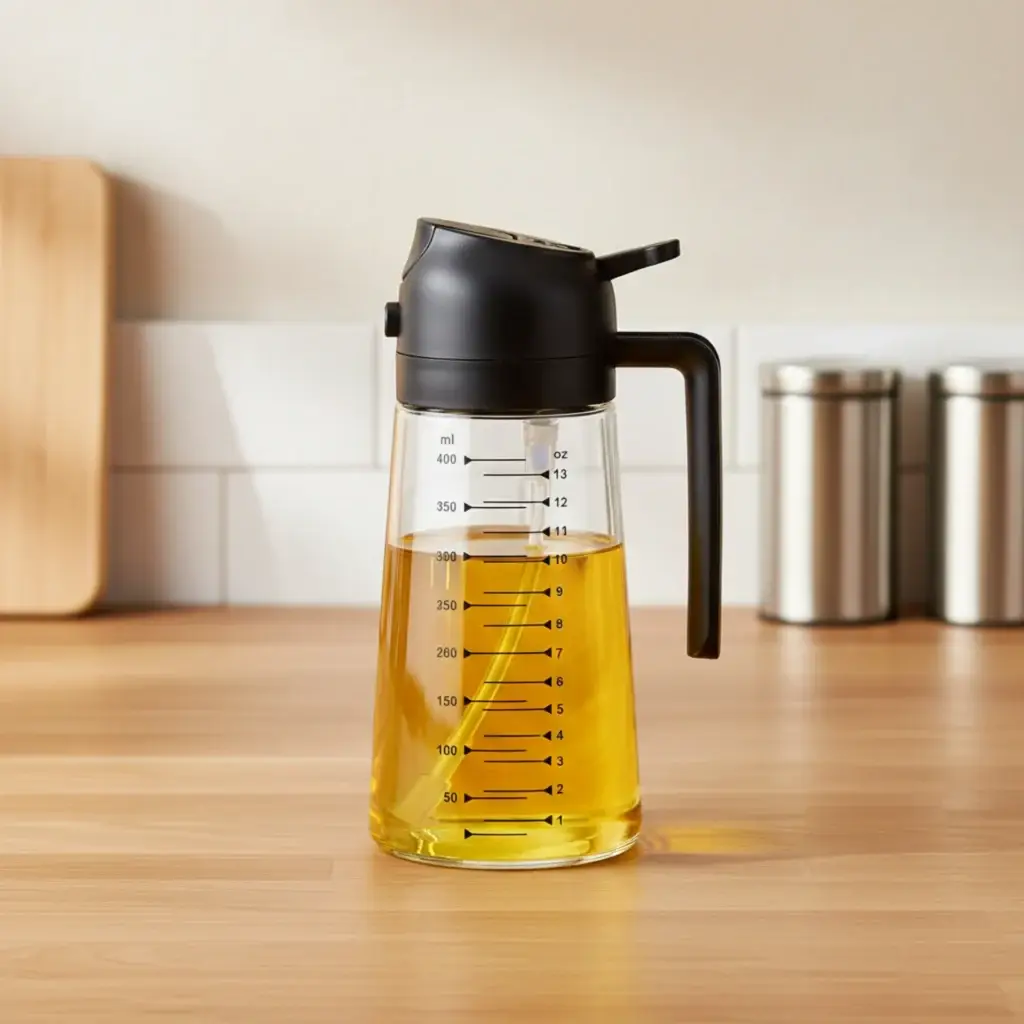
TrendPlain 16oz/470ml Glass Olive Oil Sprayer for Cooking
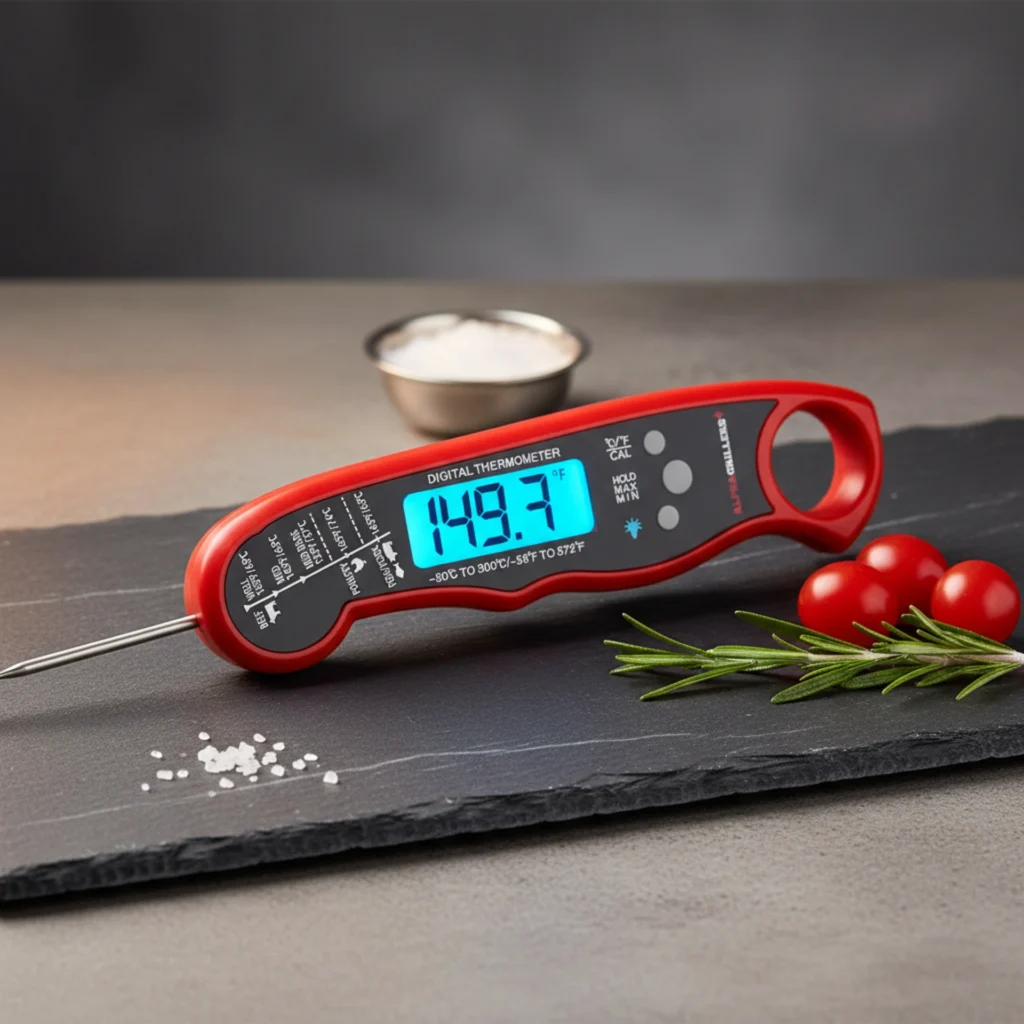
Alpha Grillers Meat Thermometer Digital
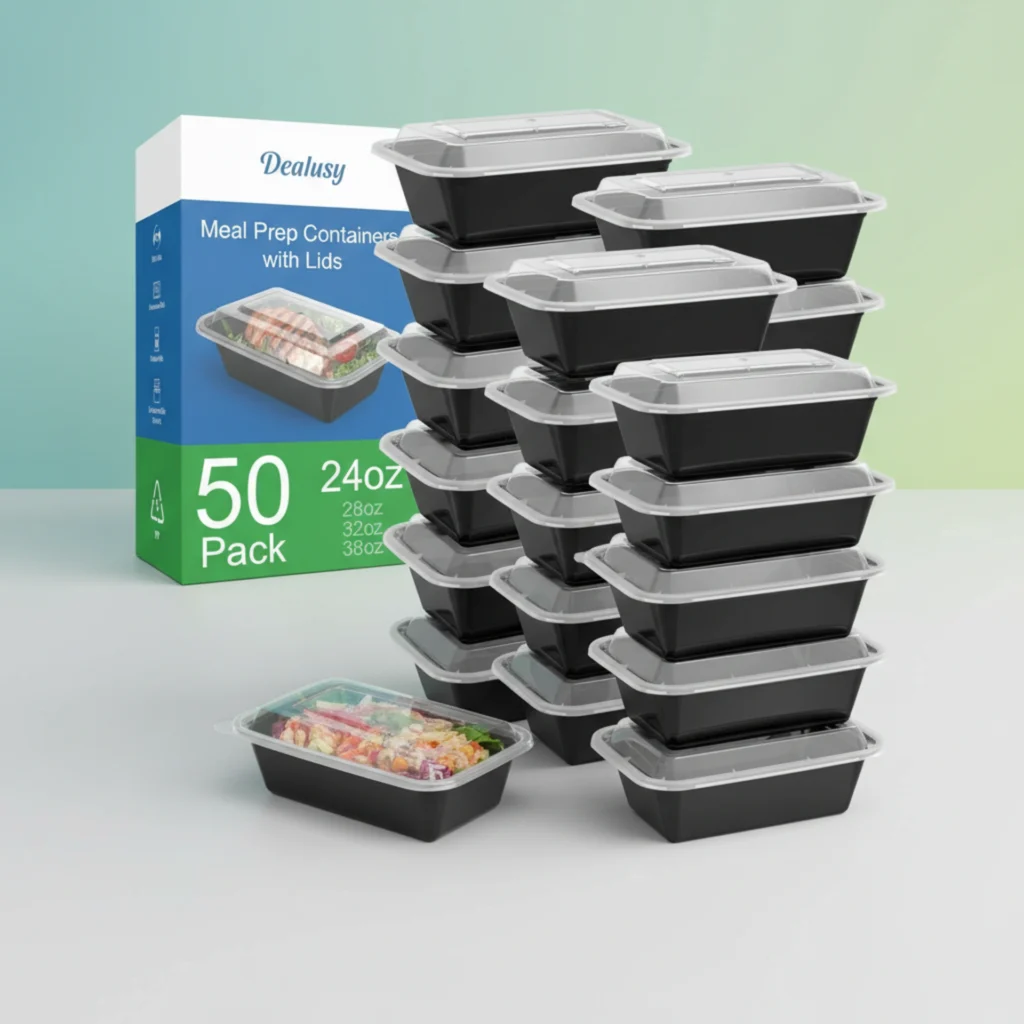
50 Pack (100-Piece) 24 oz Meal Prep Containers
Browse more categories
Helpful Cooking Resources
Bon appétit! Did you try making this?
Drop a comment below and let us know how it went!