Antipasto Pasta Salad With 8 Bold Italian Flavors

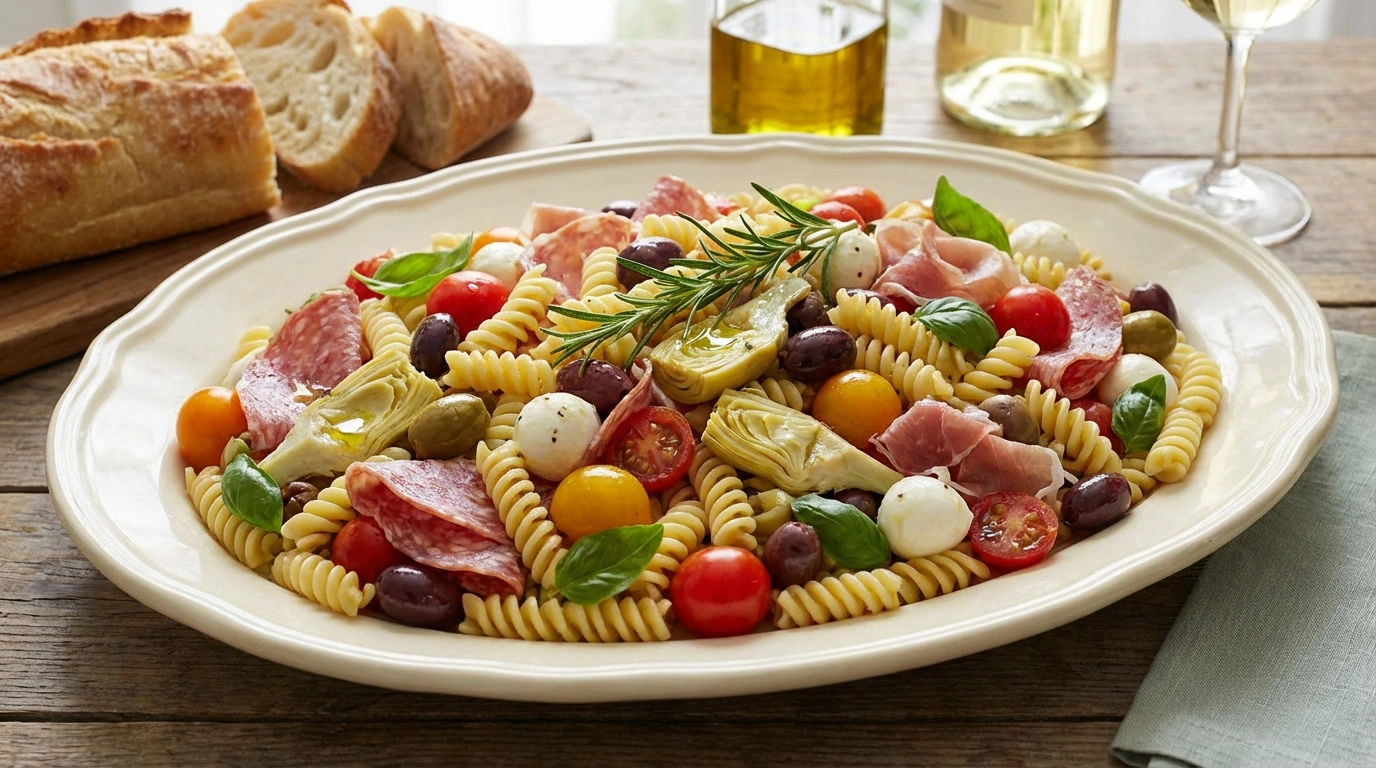
Have you noticed how “party salads” often get eaten last, if at all? Yet pasta salad is one of the most searched summer sides in the U.S., and it keeps showing up in potlucks because it’s cheap, filling, and easy to scale. The problem is flavor, a lot of versions taste like cold noodles with wishful thinking. This antipasto pasta salad fixes that by borrowing the loud, punchy building blocks of an Italian antipasto platter, salty meats, briny bites, creamy cheese, crisp veggies, and a zesty dressing that actually clings.
If you’ve ever wondered what is antipasto salad, it’s basically the greatest hits of an antipasto board turned into a bowl: cured meats, cheeses, marinated vegetables, and something tangy to tie it together. When you fold that into pasta, you get a true antipasto pasta salad that can hold its own as lunch, not just a side.
You might also have seen “antipasto salad drama” online, usually about what “counts” as authentic. Honestly, it’s likely to be more about personal tradition than rules. Your goal is balance: salty, tangy, creamy, crunchy, and a little heat.
Chef’s thought: If your pasta salad tastes flat after chilling, it’s not you. Cold temperatures mute seasoning, so you often need a tiny splash of vinegar or a pinch of salt right before serving.
Ingredients Table
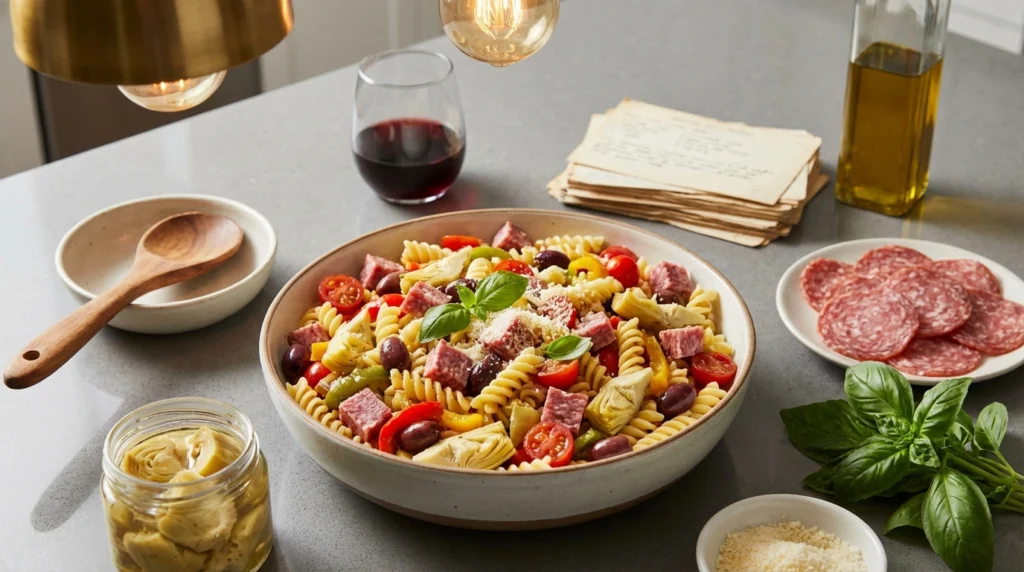
Below is what you need for a bold, crowd-friendly antipasto pasta salad recipe. The “8 bold Italian flavors” show up as: salami, pepperoni, mozzarella, olives, pepperoncini, roasted red peppers, artichokes, and a sharp Italian vinaigrette. Everything else supports those stars.
| Ingredient | Amount (serves 8 to 10) | Why it’s here | Substitutions you can actually use |
|---|---|---|---|
| Short pasta (rotini or penne) | 1 lb (450 g) | Holds dressing in the spirals and ridges | Farfalle, fusilli, or cheese tortellini (richer) |
| Genoa salami, diced | 6 oz | Garlicky, fatty, classic antipasto bite | Soppressata, capocollo, or turkey salami |
| Pepperoni, quartered | 4 oz | Smoky, slightly spicy | Spicy calabrese salami or omit for milder |
| Fresh mozzarella pearls | 8 oz | Creamy contrast | Cubed provolone, fontina, or vegan mozzarella |
| Parmesan, grated | 1/2 cup | Nutty salt, boosts the dressing | Pecorino Romano (sharper) |
| Cherry tomatoes, halved | 1 1/2 cups | Sweet pop, juicy texture | Diced Roma tomatoes (seed them) |
| Cucumber, chopped | 1 cup | Crunch and freshness | Zucchini ribbons (raw) |
| Roasted red peppers, sliced | 3/4 cup | Sweet, smoky depth | Grilled bell peppers, or sun-dried tomatoes |
| Marinated artichoke hearts, chopped | 1 cup | Tangy, tender bite | Canned artichokes plus extra vinegar |
| Pepperoncini, sliced | 1/2 cup | Bright heat and zip | Banana peppers, or a pinch of chili flakes |
| Kalamata or mixed olives, sliced | 3/4 cup | Briny punch | Castelvetrano (buttery), or omit if you must |
| Red onion, thinly sliced | 1/2 cup | Sharpness that cuts the richness | Shallot, or soak onion in cold water 10 min |
| Italian dressing (homemade, below) | about 3/4 cup | Ties everything together | Store-bought “zesty Italian” (choose a good one) |
| Fresh basil or parsley | 1/2 cup | Fresh finish | Arugula ribbons for a peppery twist |
Quick Zesty Italian Dressing (recommended)
- 1/2 cup extra virgin olive oil
- 1/4 cup red wine vinegar
- 1 tbsp Dijon mustard
- 1 tbsp Italian seasoning
- 2 garlic cloves, finely grated
- 1 tsp honey or sugar (optional, but it rounds the acidity)
- Salt and black pepper to taste
If you’ve been burned by bland pasta salad, dressing is usually why. You want it tangy enough that you notice it even when cold.
Timing
- Prep time: 20 minutes
- Cook time: 10 to 12 minutes
- Chill time: 30 minutes (optional but recommended)
- Total time: about 60 minutes
That’s roughly 20 percent less time than many “from-scratch” pasta salads that ask you to roast vegetables, cool pasta forever, and make a complicated dressing. Here, you’re assembling big flavors that already come ready to eat.
Step-by-Step Instructions
Step 1: Cook your pasta, then season it while it’s still warm
Boil the pasta in well-salted water until just al dente. You want a little bite because the pasta will keep softening as it absorbs dressing.
Drain, then rinse briefly with cool water to stop the cooking. Toss the warm pasta with 2 to 3 tablespoons of the dressing right away. This small move helps the antipasto pasta salad taste seasoned all the way through, not just on the surface.
Tip: If your pasta looks dry after 10 minutes, it probably needs another spoonful of dressing. Pasta is thirsty.
Step 2: Prep the bold antipasto mix-ins
While the pasta cooks, chop your ingredients into fork-friendly pieces. Aim for “one bite gets everything” sizes.
- Dice salami and quarter pepperoni slices
- Halve tomatoes
- Chop cucumber and artichokes
- Slice peppers, pepperoncini, olives, and onion
- Pat wet ingredients dry (especially artichokes and roasted peppers)
That last part sounds fussy, but it matters. Too much jar liquid can water down your Italian antipasto salad vibe and make the dressing taste weak.
Chef’s thought: I like to keep a small pile of each mix-in on the cutting board and taste them together. If the olives are extra salty, I go lighter on added salt in the dressing. Little adjustments like that prevent “why is this so salty?” moments later.
Step 3: Shake the dressing until it looks slightly creamy
Add dressing ingredients to a jar with a tight lid. Shake hard for 15 seconds. The Dijon helps emulsify, so it looks a bit creamy instead of oily.
Taste it. If it feels too sharp, add a tiny drizzle of honey. If it tastes dull, add a pinch of salt or a splash more vinegar. Dressing should feel a little “too bold” before it hits the pasta, because chilling will calm it down.
Step 4: Combine everything in a big bowl, gently
In your largest mixing bowl, add pasta, meats, veggies, olives, cheeses (save a little Parmesan), and herbs. Pour in about half the dressing and toss.
Then add more dressing a little at a time until it looks glossy but not soupy. This antipasto pasta salad should feel loaded, not drowned.
Step 5: Chill, then do a final taste check
Cover and chill 30 minutes if you can. It lets the flavors mingle, and yes, it makes a difference.
Right before serving, taste again. You may suggest it’s missing “something,” it’s usually one of these:
- A pinch of salt
- Another spoon of dressing
- A squeeze of lemon (not traditional, but it works)
- Extra basil for freshness
Finish with the reserved Parmesan.
Nutritional Information
Nutrition will vary based on exact brands and how generous you are with meats and cheese. For a typical serving (about 1 to 1.25 cups, assuming 10 servings), your antipasto pasta salad is likely to land around:
- Calories: 380 to 480
- Protein: 14 to 20 g
- Carbohydrates: 35 to 45 g
- Fat: 18 to 28 g
- Fiber: 2 to 4 g
- Sodium: 850 to 1200 mg
Data point worth knowing: most of the sodium comes from cured meats, olives, cheese, and jarred vegetables, not the pinch of salt you add at the end. If you’re watching sodium, you can still enjoy antipasto pasta salad, you just need smarter swaps (next section).
Healthier Alternatives for the Recipe
You don’t have to turn this into diet food, but you can absolutely make your antipasto pasta salad lighter while keeping the “antipasto” personality.
Make it higher fiber and steadier energy
- Use whole wheat rotini or a chickpea pasta. Chickpea pasta bumps protein too, though the texture is slightly firmer when cold.
- Add a cup of white beans for a creamy, mild boost that stretches servings.
Reduce sodium without losing the Italian punch
- Swap half the salami and pepperoni for grilled chicken, or even chickpeas.
- Use low sodium olives if you can find them, or rinse regular olives quickly.
- Pick fresh mozzarella (usually lower sodium than provolone or feta).
Lighten the dressing, keep the zip
- Replace 2 tablespoons of olive oil with 2 tablespoons of water plus extra vinegar, then shake hard.
- Add more herbs, basil, parsley, or a little oregano, so it still tastes like an italian antipasto salad even with less oil.
Vegetarian version that still feels “antipasto”
- Skip meats and add: marinated mushrooms, extra artichokes, roasted zucchini, and a handful of toasted pine nuts.
- Consider smoked mozzarella to mimic the “cured” depth.
Chef’s thought: When I make a lighter antipasto pasta salad, I don’t fight the missing fat, I replace it with acid and crunch. More pepperoncini, more cucumber, more herbs. Your tongue notices that brightness.
Serving Suggestions
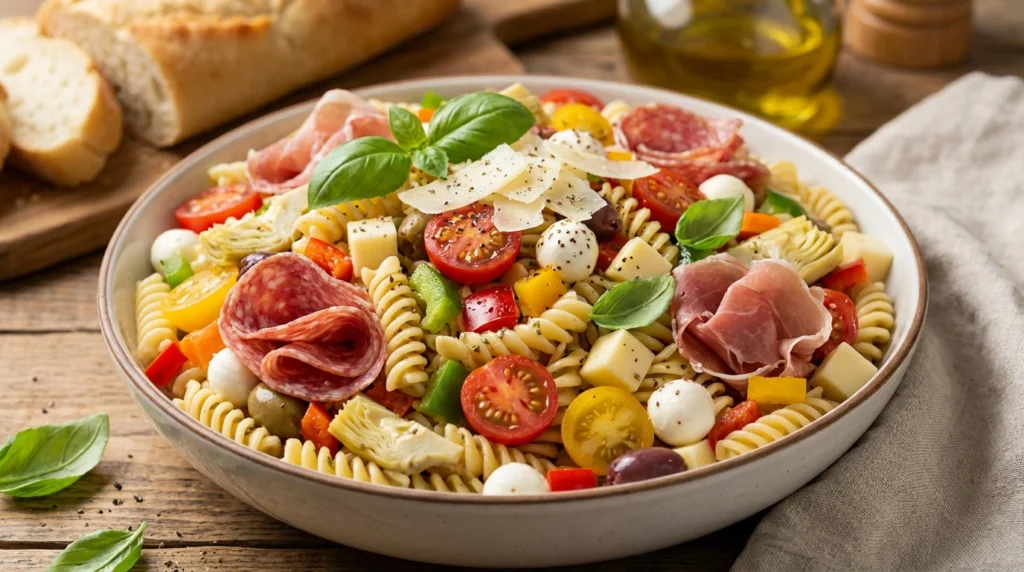
This is one of those dishes that quietly saves your day. You can serve antipasto pasta salad in a lot of ways, depending on whether it’s a side, a main, or a “fridge meal.”
- For cookouts: Serve it alongside grilled chicken, sausages, or burgers. Put extra pepperoncini on the table so heat-lovers can customize.
- For lunch prep: Pack it with a few extra mozzarella pearls and a handful of arugula. The greens wilt a bit, but in a nice way.
- For a casual dinner: Pair with garlic bread and a simple fruit bowl. It sounds odd, but watermelon or grapes balance the salty meats.
- For parties: Spoon it into small cups for easy grab-and-go. Less mess, fewer forks disappearing.
If you’re building an antipasto theme night, add a board with olives, cheeses, and marinated veggies. It’s basically “what is an antipasto salad” explained visually.
Common Mistakes to Avoid
Overcooking the pasta
If your pasta is soft in the pot, it’ll be mushy in the bowl. Go al dente, even slightly under. Cold pasta softens as it sits.
Dumping in all the dressing at once
Pasta absorbs liquid fast. Start with half, toss, wait 5 minutes, then decide. A soggy antipasto pasta salad is hard to fix.
Not drying jarred ingredients
Artichokes and roasted peppers carry a lot of oil or brine. Some is good, too much makes everything taste muddy.
Cutting ingredients too large
This is a sneaky one. If your salami is in big cubes but your pasta is small, every bite feels unbalanced. Keep it bite-size and consistent.
Ignoring the “second taste”
Chilled flavors get quieter. People call this “bland,” then blame the recipe, which is most of the antipasto salad drama you see online. Taste again right before serving.
Storing Tips for the Recipe
- Refrigerate in an airtight container for up to 3 to 4 days.
- Store a little extra dressing separately if you can. Pasta keeps absorbing, so a splash refreshes leftovers.
- If making ahead, consider mixing everything except basil. Add fresh herbs right before serving so they stay bright.
- For best texture, keep cucumbers slightly larger or add them day-of. They release water over time.
If your antipasto pasta salad looks dry on day two, add:
- 1 to 2 teaspoons olive oil
- 1 teaspoon red wine vinegar
- A pinch of salt
Toss and taste. It usually comes right back to life.
FAQs
What is antipasto salad, exactly?
An antipasto salad is a salad inspired by an antipasto platter, cured meats, cheeses, olives, and marinated vegetables with a tangy dressing. Think of it as the “starter course” flavors, just tossed together. When you add pasta, it becomes antipasto pasta salad, heartier and more meal-like.
What is an antipasto salad supposed to include?
It varies by household, which is why people argue about it. Still, most versions include:
- At least one cured meat (salami, pepperoni)
- Cheese (mozzarella, provolone)
- Briny items (olives, pepperoncini)
- Something sweet or fresh (tomatoes, roasted peppers)
- A vinegar-forward dressing
If you hit those notes, you’re in the right neighborhood.
Can you make antipasto pasta salad the night before?
Yes, and it often tastes better. Just hold back some dressing and fresh herbs. Add both right before serving so it doesn’t taste dry or look tired.
How do you keep antipasto pasta salad from getting soggy?
Cook pasta al dente, drain well, pat wet ingredients dry, and add dressing gradually. Also, don’t add delicate greens until serving.
Is this the same as italian antipasto salad?
It’s the close cousin. Italian antipasto salad usually skips pasta and leans more heavily on chopped lettuce or romaine. Antipasto pasta salad keeps the same flavor profile but turns it into a filling bowl you can take to work.
What if you don’t like olives or pepperoncini?
You’re not alone. Swap olives for capers (smaller, still briny) or just add extra Parmesan. Replace pepperoncini with roasted peppers plus a pinch of chili flakes, or keep it mild with more cucumbers and basil.
Can you use store-bought dressing?
Yes, especially if you’re in a rush. Choose a “zesty Italian” style and consider boosting it with fresh garlic or a splash of red wine vinegar. That little tweak makes store-bought taste less flat in antipasto pasta salad.
Conclusion
When you want a dish that feels like a whole Italian deli spread in one bowl, antipasto pasta salad is the move. You’re combining eight bold Italian flavors, cured meats, mozzarella, olives, pepperoncini, roasted red peppers, artichokes, a tangy dressing, plus fresh herbs, into something that travels well, feeds a crowd, and tastes even better after it sits for a bit. If you’ve been asking what is antipasto salad or what is an antipasto salad, this pasta version is a friendly, no-fuss answer that still feels special.
Want to make your antipasto pasta salad easier and more consistent next time? Check out the recommended Amazon affiliate products listed below this article, pick one tool or ingredient upgrade, and you’ll notice the difference the very next batch.
Related Products
Below are Amazon affiliate links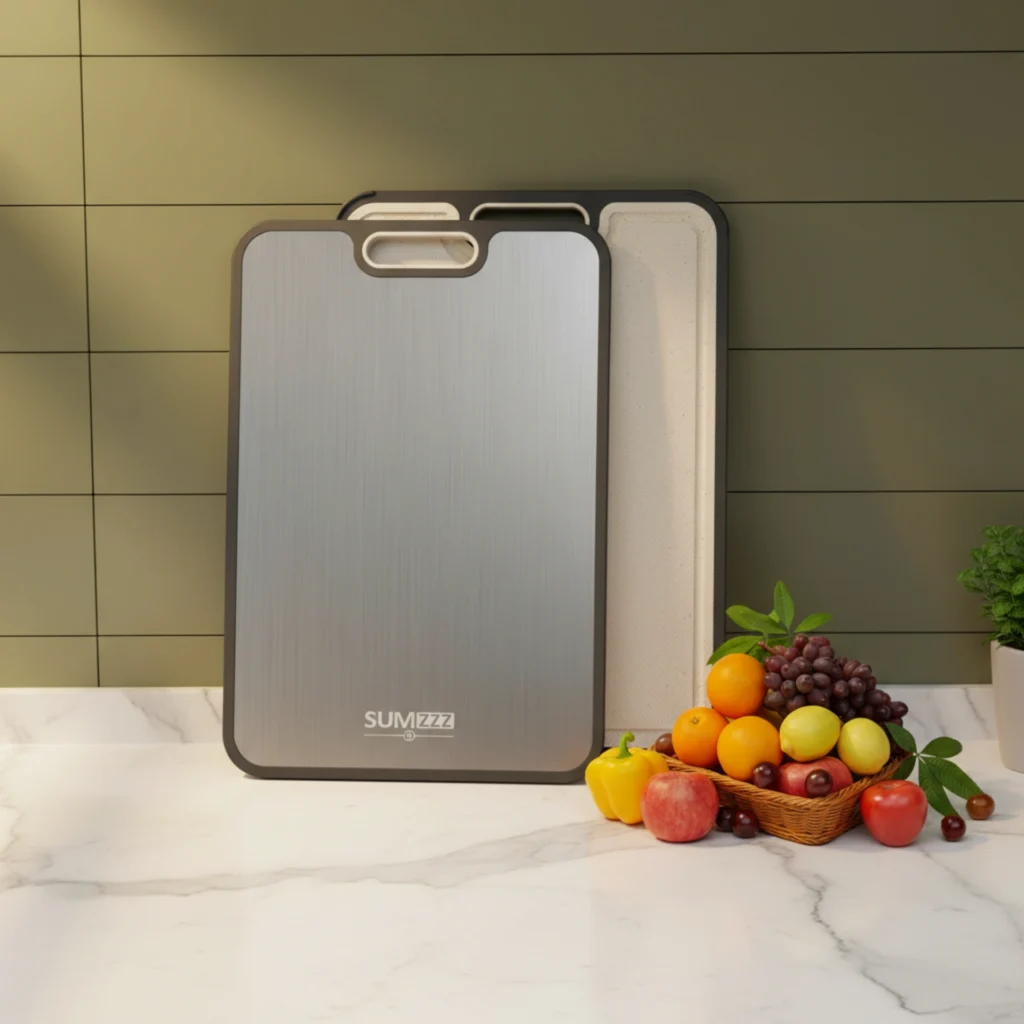
Titanium Cutting Board for Kitchen
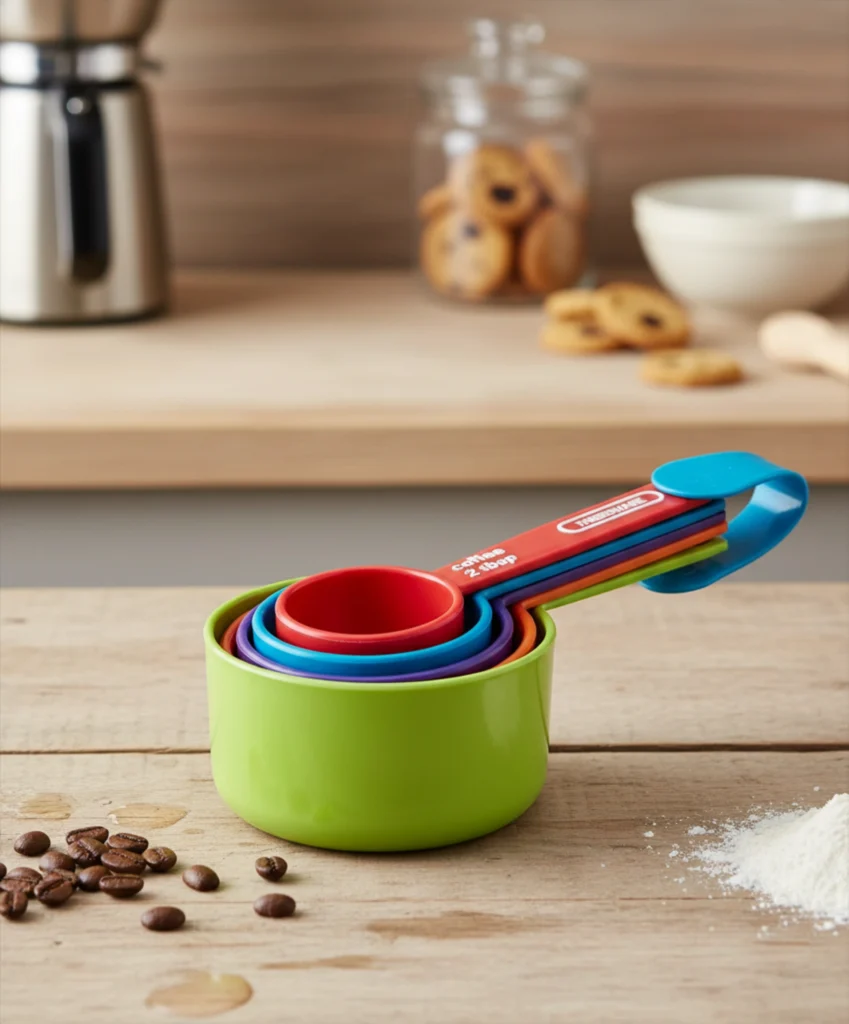
FARBERWARE 5-Piece Measuring Cup Set
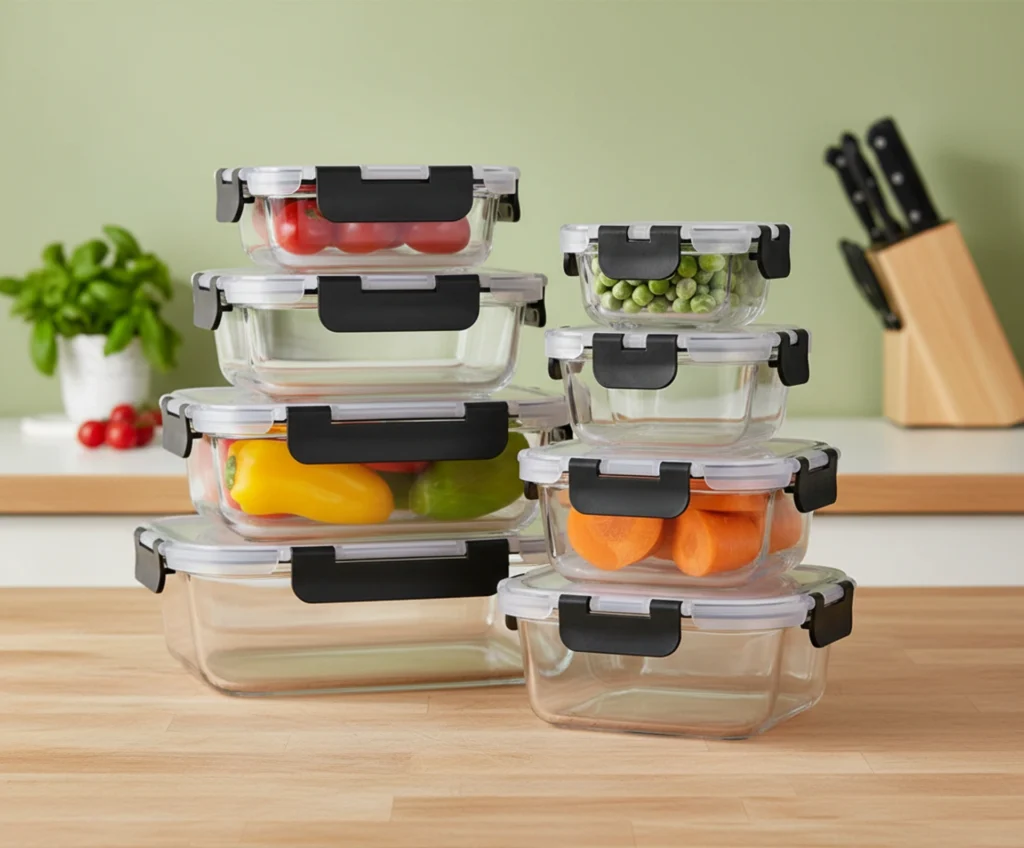
8 Pack Borosilicate Glass Food Storage Containers with Lids
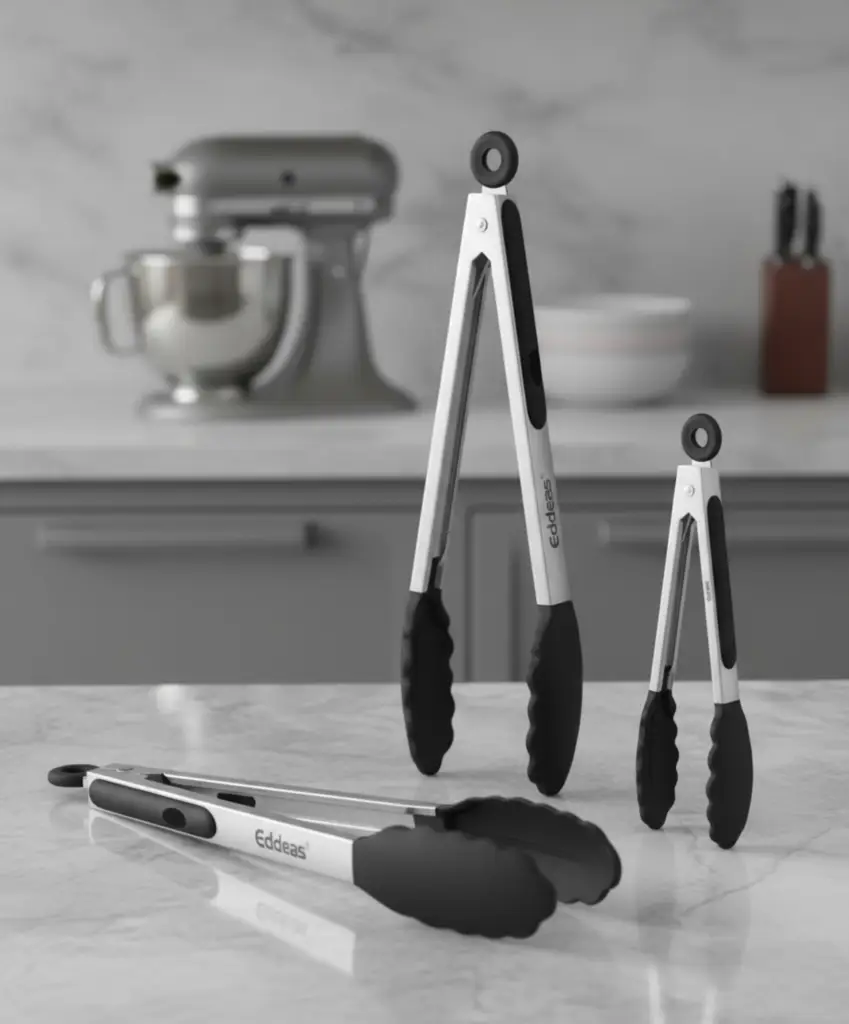
Kitchen Tongs with Silicone Tips