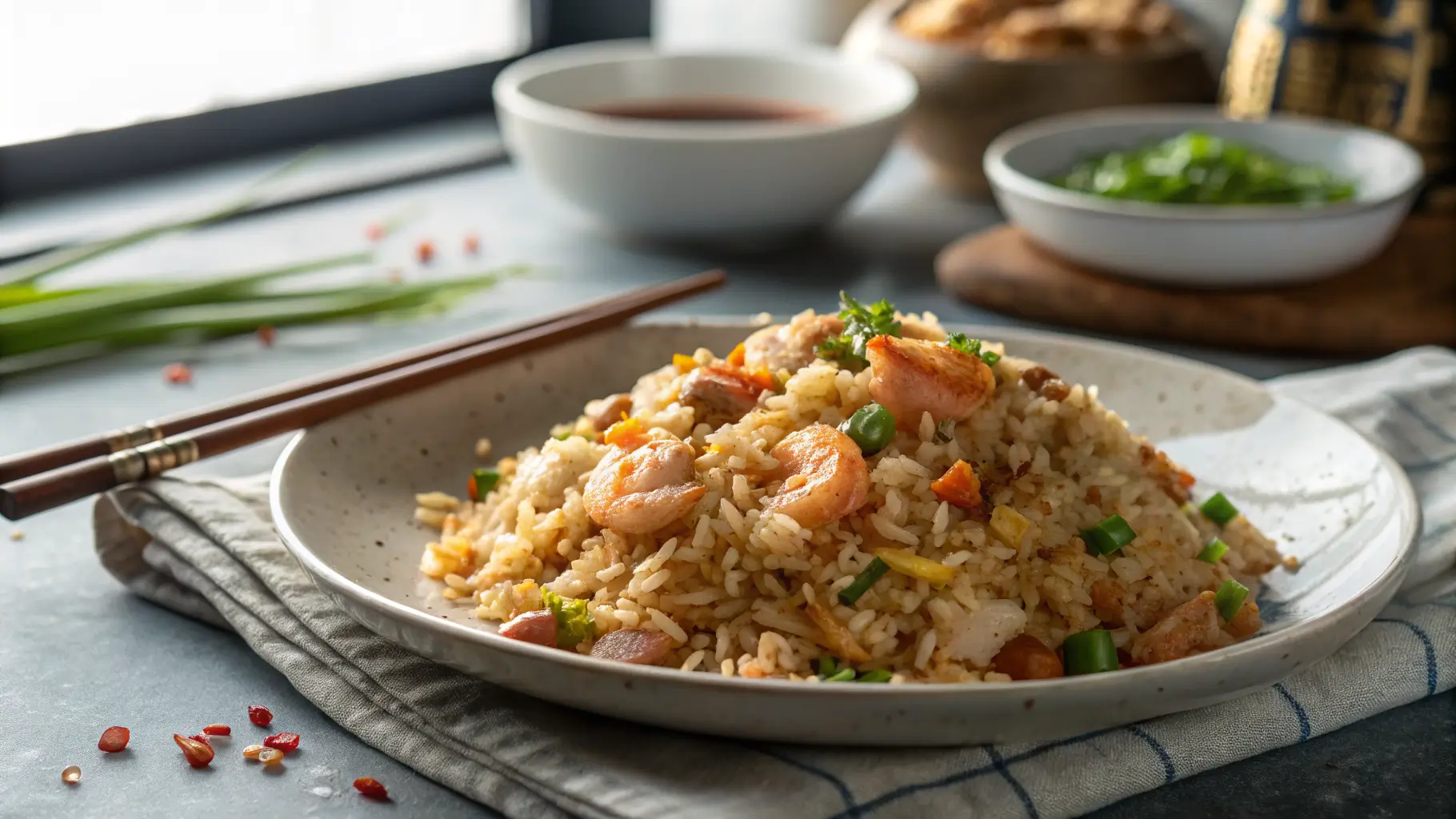
Yangzhou Fried Rice With 8 Classic Ingredients

Have you noticed how “fried rice” can mean anything from a greasy side dish to a full, balanced meal? Here’s the curious part, restaurant fried rice portions often land around 900 to 1,200 calories, largely because of heavy oil and oversized servings, yet yangzhou fried rice is traditionally built to taste rich while still feeling light and separate. If you have ever wondered why your homemade version turns sticky or bland, yangzhou fried rice may suggest a different approach, one that’s more about technique than drowning rice in sauce.
You’re about to make yangzhou fried rice the way many people recognize as the classic, with eight familiar add ins that taste better than they sound on paper.
Ingredients Table
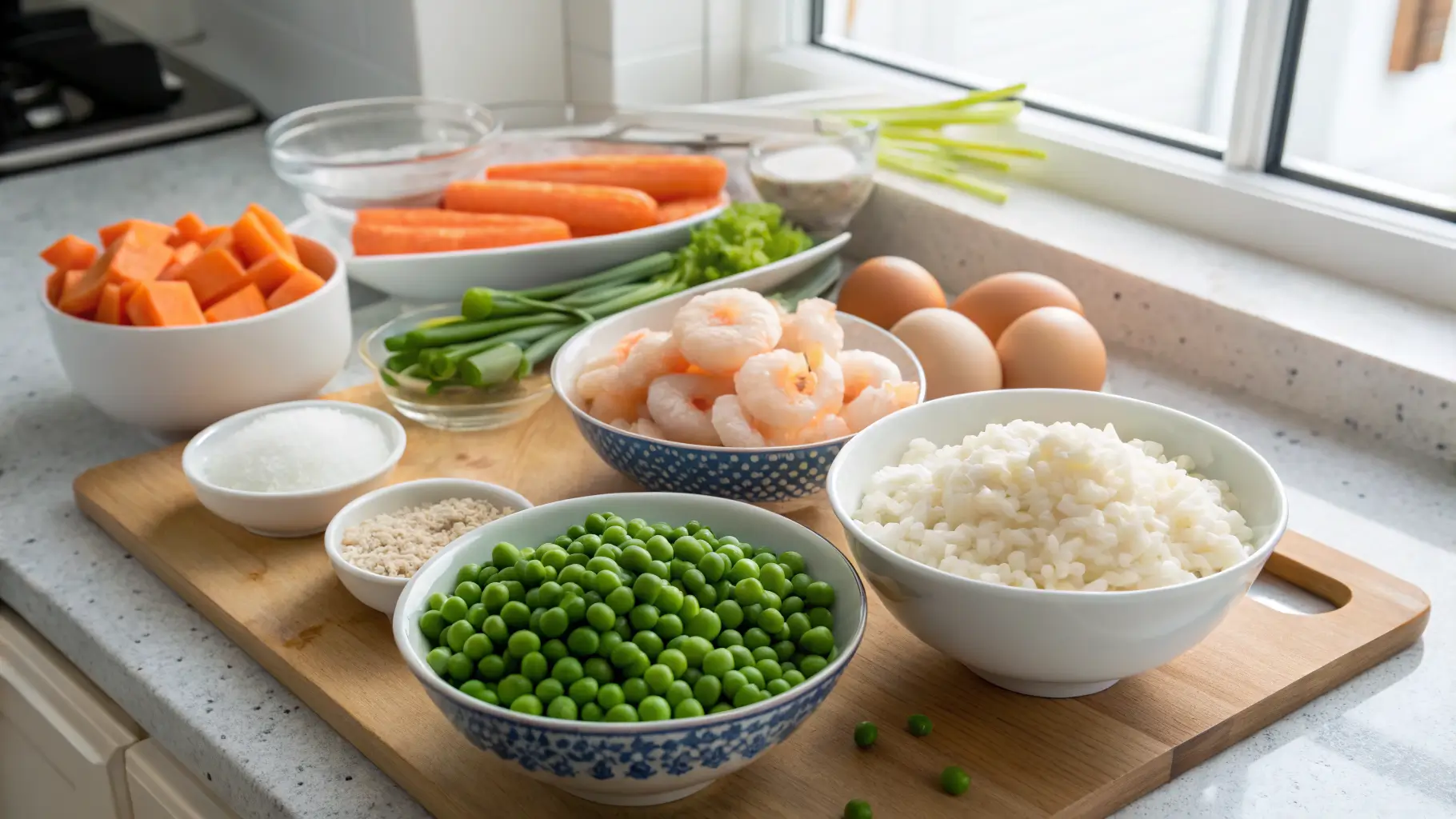
The heart of yangzhou fried rice is clean flavor and distinct grains. You want ingredients that stay separate, cook fast, and smell good the second they hit a hot pan.
| Classic ingredient (8) | Amount (serves 2 to 3) | Why it matters in yangzhou fried rice | Substitutions that still work |
|---|---|---|---|
| Cooked jasmine rice, chilled | 3 cups | Dry, cold rice fries instead of steams | Any long grain rice, day old basmati works well |
| Eggs | 2 large | Adds softness and that “golden” look | Egg whites only, or silken tofu scramble (less classic) |
| Chinese ham or cooked ham, diced | 1/2 cup | Salty, slightly sweet bite | Canadian bacon, char siu, or smoked turkey |
| Cooked shrimp, small | 1/2 cup | Sweet seafood pop, stays tender | Imitation crab, cooked chicken, or omit |
| Chinese sausage (lap cheong), diced | 1/4 cup | Fatty aroma, tiny bursts of flavor | Kielbasa in small dice, or extra ham |
| Green peas | 1/2 cup | Color and gentle sweetness | Edamame, diced green beans, or corn |
| Carrot, tiny dice | 1/3 cup | Crunch and color | Red bell pepper, zucchini (pat dry) |
| Scallions, sliced | 2 to 3 | Fresh finish, cuts richness | Chives, minced yellow onion (use less) |
Flavor basics you will also use (not counted in the “8”): neutral oil, salt, white pepper, light soy sauce, and optional sesame oil.
If you’re searching for the yangzhou fried rice main ingredients, that table is your cheat sheet. The mix looks simple, but in yangzhou style fried rice, the cut size and timing matter as much as the shopping list.
Chef’s thought: If your fridge rice feels a bit leathery, don’t panic. Break it up with your fingers, then let it sit at room temp for 10 minutes. Cold and dry is good for yangzhou fried rice, but rock hard clumps fight you the whole way.
Timing
- Prep time: 15 minutes
- Cook time: 10 minutes
- Total time: 25 minutes
That 25 minute total is likely about 15 to 25 percent faster than the average home yangzhou fried rice recipe, mostly because everything is quick once the pan is hot. The only real “slow” part is dicing small and setting up your ingredients so you’re not scrambling mid stir fry.
If you already have chilled rice, yangzhou fried rice is basically a high heat, fast assembly meal.
Step-by-Step Instructions
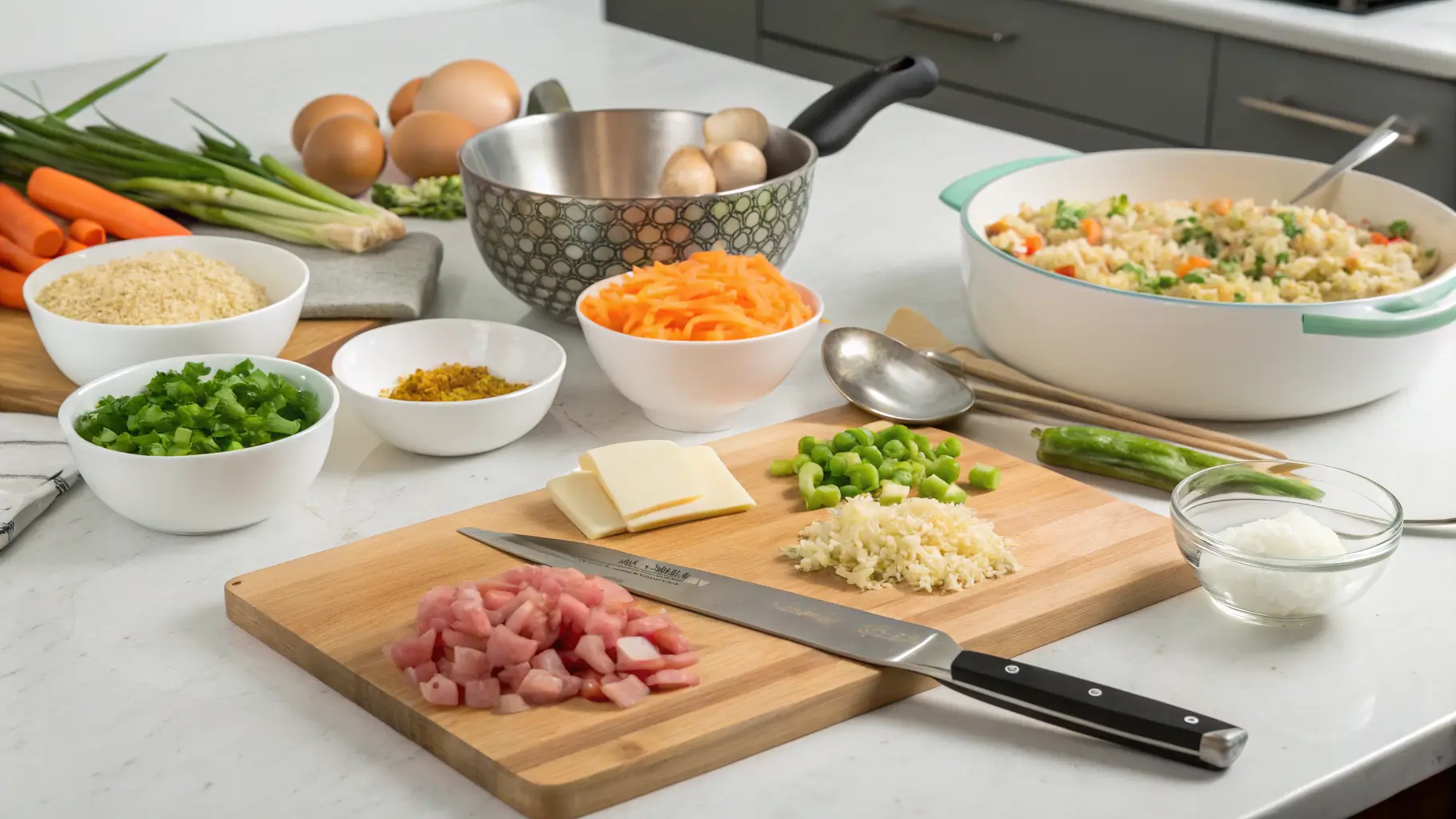
Step 1, Prep your rice the right way
Use 3 cups of cooked jasmine rice that has been chilled at least 4 hours, overnight is even better. With clean hands, gently rub and separate clumps.
Tip: If your rice is freshly cooked, spread it on a tray, fan it for a few minutes, then refrigerate uncovered for 30 to 45 minutes. It’s not perfect, but it often saves dinner.
This one move makes yangzhou fried rice taste like it came from a restaurant wok instead of a steamy skillet.
Step 2, Dice small and keep it consistent
Dice ham, Chinese sausage, and carrot into small cubes, think pea size. Slice scallions and keep whites and greens separate if you want extra control.
Why this matters: yangzhou fried rice is a “many small bites” dish. Big chunks can make it feel like leftovers tossed together rather than a composed fried rice.
Step 3, Scramble the eggs and pull them out
Heat your wok or largest skillet on medium high. Add 1 tablespoon neutral oil. Beat the eggs with a pinch of salt, then scramble quickly until just set, soft is fine. Remove to a plate.
You’re building layers. In yangzhou fried rice, eggs shouldn’t disappear into the rice like dust.
Step 4, Render the sausage, then wake up the aromatics
Add a little more oil if the pan looks dry, then add diced Chinese sausage. Stir for 30 to 60 seconds until you smell that sweet, smoky fat. Add the scallion whites for 10 seconds.
If you don’t have lap cheong, this step still works with ham, but you may need a touch more oil.
Step 5, Add carrots, peas, and shrimp, keep things moving
Toss in carrot and peas. Stir fry for about 1 minute. Add cooked shrimp and warm it through, another 30 seconds.
The goal is bright color and a “just cooked” snap. Overcooking is where yangzhou style fried rice can start tasting tired.
Chef’s thought: Shrimp goes rubbery fast at wok heat. If it’s already cooked, treat it like a delicate ingredient, it needs warmth, not punishment.
Step 6, Fry the rice, not the sauce
Turn heat up to high. Add the rice. Use a spatula to press and toss, spread rice across the pan, then flip it back into the center. Do that for 2 to 3 minutes.
Now season lightly:
- 1 to 2 teaspoons light soy sauce (start small)
- 1/4 teaspoon salt (maybe less if your ham is salty)
- 1/8 teaspoon white pepper
Important nuance: Classic yangzhou fried rice is not meant to be brown and saucy. Soy sauce is a background note, not a paint job.
Step 7, Return eggs and meats, then finish clean
Add scrambled eggs back in, plus ham. Toss until everything is evenly distributed.
Optional but nice: 1/2 teaspoon sesame oil at the end. Keep it subtle.
Add scallion greens, toss 10 seconds, then cut the heat.
At this point, your yangzhou fried rice should look colorful, smell savory, and feel dry enough that each grain stays separate.
Step 8, Taste and adjust like a real person
Take a bite. If it’s flat, add a tiny pinch of salt or a few more drops of soy sauce. If it tastes heavy, a little more scallion can brighten it.
Your palate matters here. The best yangzhou fried rice recipe is the one that fits your ingredients, your heat level, and your salt tolerance.
Chef’s thought: When people say their yangzhou fried rice is “missing something,” it’s often white pepper, not more soy sauce. White pepper gives that gentle, restaurant style warmth without turning the whole bowl salty.
Nutritional Information
Approximate nutrition per serving (based on 3 servings, using 2 tablespoons oil total, ham, lap cheong, and shrimp):
- Calories: 520 to 620
- Protein: 22 to 28 g
- Carbs: 60 to 72 g
- Fat: 20 to 26 g
- Fiber: 3 to 5 g
- Sodium: 900 to 1,400 mg (varies a lot with ham and soy sauce)
Data insight that tracks with real life: sodium is usually the biggest swing factor in yangzhou fried rice. If you choose lower sodium ham and go gentle on soy sauce, the same bowl can drop by several hundred milligrams.
If you’re tracking macros, yangzhou fried rice can be a surprisingly balanced “one pan” meal, you’ve got protein, veg, and carbs in one.
Healthier Alternatives for the Recipe
You can keep the spirit of yangzhou fried rice while dialing things toward your goals.
- Lower sodium option: use low sodium soy sauce, swap regular ham for lower sodium deli style ham, and lean on white pepper and scallion for flavor.
- Lower fat option: reduce Chinese sausage by half, add more shrimp or chicken breast. You still get that savory pop without as much rendered fat.
- Higher fiber option: replace 1 cup of white rice with cooked, chilled brown rice. It changes the texture a little, but it’s still satisfying. Some people even prefer the chew.
- More veggies option: add finely diced mushrooms or zucchini, but pat watery vegetables dry so your yangzhou fried rice doesn’t steam.
- Gluten free option: use tamari instead of soy sauce, and double check the sausage label.
A small critique, some “healthy fried rice” recipes remove oil entirely. That’s fine, but yangzhou fried rice without enough fat can taste oddly dry and muted. A measured 1 to 2 tablespoons oil for the whole pan is often the sweet spot.
Serving Suggestions
Yangzhou fried rice can play different roles depending on how you serve it.
- As a main meal: pile it in a bowl, top with extra scallions, and add a simple cucumber salad on the side.
- As a side dish: serve yangzhou fried rice with steamed Chinese broccoli and a light soup. It pairs well with clear, gingery broths.
- For guests: press yangzhou fried rice into a small bowl, invert onto a plate, and sprinkle with toasted sesame seeds. It looks fancy with almost no effort.
- For meal prep: portion yangzhou fried rice into containers, add a lime wedge or chili crisp on the side, and you’ve got lunches that don’t feel sad.
If you like exploring, you could try a related recipe next, like “egg fried rice with scallions” or “shrimp fried rice with pineapple,” then compare what changes when you keep the rice dry but shift the flavors.
Common Mistakes to Avoid
Most yangzhou fried rice problems come from heat management and moisture.
- Using hot, fresh rice
Fresh rice releases steam, then you get clumps. Chilled rice is your best friend for yangzhou fried rice. - Over seasoning with soy sauce
Too much soy sauce turns the dish dark and one note. Yangzhou style fried rice is meant to be lighter in color. - Pan not hot enough
If the wok or skillet isn’t hot, you sauté instead of fry. That’s when rice gets mushy. - Overcrowding the pan
If you’re cooking for 5 people, cook in batches. Overcrowding is a common reason homemade yangzhou fried rice recipe attempts taste soggy. - Cutting ingredients too large
Big chunks throw off the balance. In yangzhou fried rice, everything is designed to fit in one bite.
One more subtle one, adding watery vegetables without drying them first. Zucchini, mushrooms, even thawed peas can dump moisture.
Storing Tips for the Recipe
You can store yangzhou fried rice safely and keep it tasty if you treat it like a cooked rice dish, not like a dry snack.
- Cool fast: spread leftovers on a plate or tray for 10 to 15 minutes, then refrigerate.
- Storage: keep in an airtight container up to 3 to 4 days.
- Reheating: a hot skillet works best. Add 1 to 2 teaspoons water, cover for 30 seconds to loosen, then uncover and stir fry to dry it back out. Microwave works, but texture is softer.
- Freezing: you can freeze yangzhou fried rice in flat bags for up to 2 months. Thaw overnight, then re fry for best texture.
Prep ahead trick: dice ham, sausage, carrots, and scallions the day before. With everything ready, yangzhou fried rice becomes a weeknight autopilot meal.
FAQs
What is yangzhou fried rice, and how is it different from regular fried rice?
What is yangzhou fried rice really asking? It’s a specific style known for small, evenly cut ingredients, lighter seasoning, and rice grains that stay separate. Regular fried rice can be saucier, darker, or built around one main protein. Yangzhou fried rice is more like a composed mix where every spoonful tastes balanced.
What rice is best for yangzhou fried rice?
Jasmine rice is a common pick because it fries up fragrant and not too chewy. The bigger rule is “day old rice.” Dry, chilled rice helps yangzhou fried rice stay fluffy instead of sticky.
Can you make yangzhou fried rice without shrimp?
Yes. Many home cooks make yangzhou fried rice with just ham and egg, or swap shrimp for chicken, tofu, or more peas. The dish is flexible, even if purists may disagree a bit.
Why is my yangzhou fried rice soggy?
Most likely you used warm rice, crowded the pan, or added too much sauce. To fix it next time, chill the rice, cook in batches, and treat soy sauce as a seasoning, not the base of the dish. Yangzhou fried rice should feel dry and light, not wet.
What makes a yangzhou fried rice recipe taste more “restaurant style”?
High heat, a roomy pan, and quick tossing help. White pepper also gives that classic aroma. And yes, a wok can help create a faint toasty edge that people call wok hei, though your stove may limit that a bit.
Is yangzhou fried rice healthy?
It can be. Yangzhou fried rice has protein and vegetables built in, but oil and sodium can climb fast depending on sausage, ham, and soy sauce. If you adjust those, it becomes a pretty reasonable one bowl meal.
Conclusion
If you want yangzhou fried rice that tastes clean, savory, and not heavy, focus on three things: chilled rice, small even dice, and high heat with light seasoning. With the eight classic ingredients, eggs, ham, shrimp, Chinese sausage, peas, carrot, scallions, plus properly prepared rice, you’ll get yangzhou fried rice that looks bright and feels like the real deal. And once you’ve nailed this base, tweaking your yangzhou fried rice recipe becomes easy, you can shift proteins, add more vegetables, or lighten the sodium without losing the character of yangzhou style fried rice.
Want to make your next batch easier and more consistent? Check out the 4 recommended Amazon affiliate products listed right below this article, they’re the tools and pantry staples that tend to level up yangzhou fried rice fast, especially if you cook it more than once a month.
Related Products
Below are Amazon affiliate links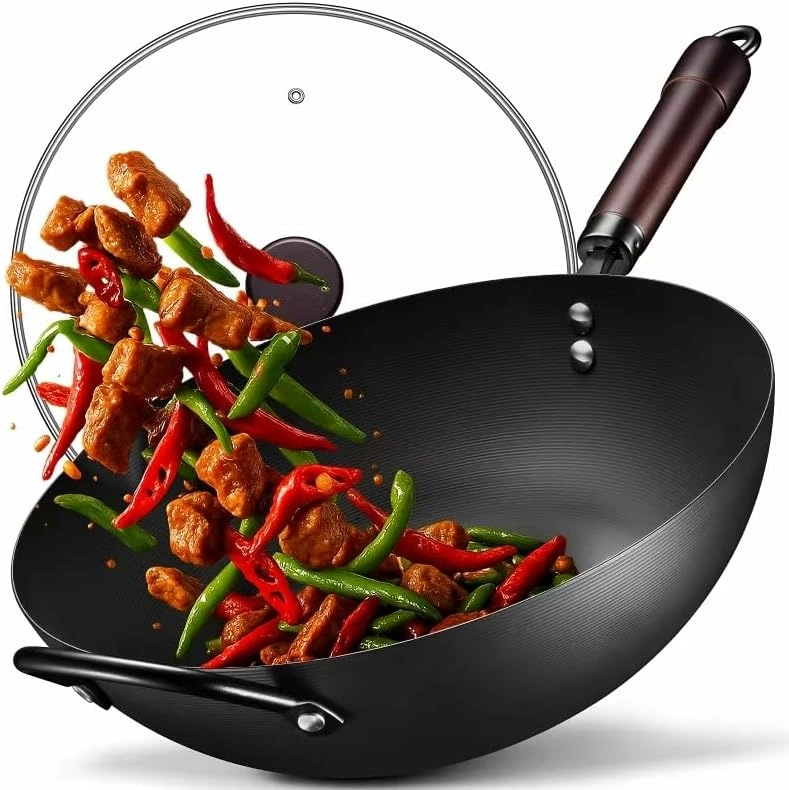
13 Inch carbon steel woks & stir-fry pans nonstick
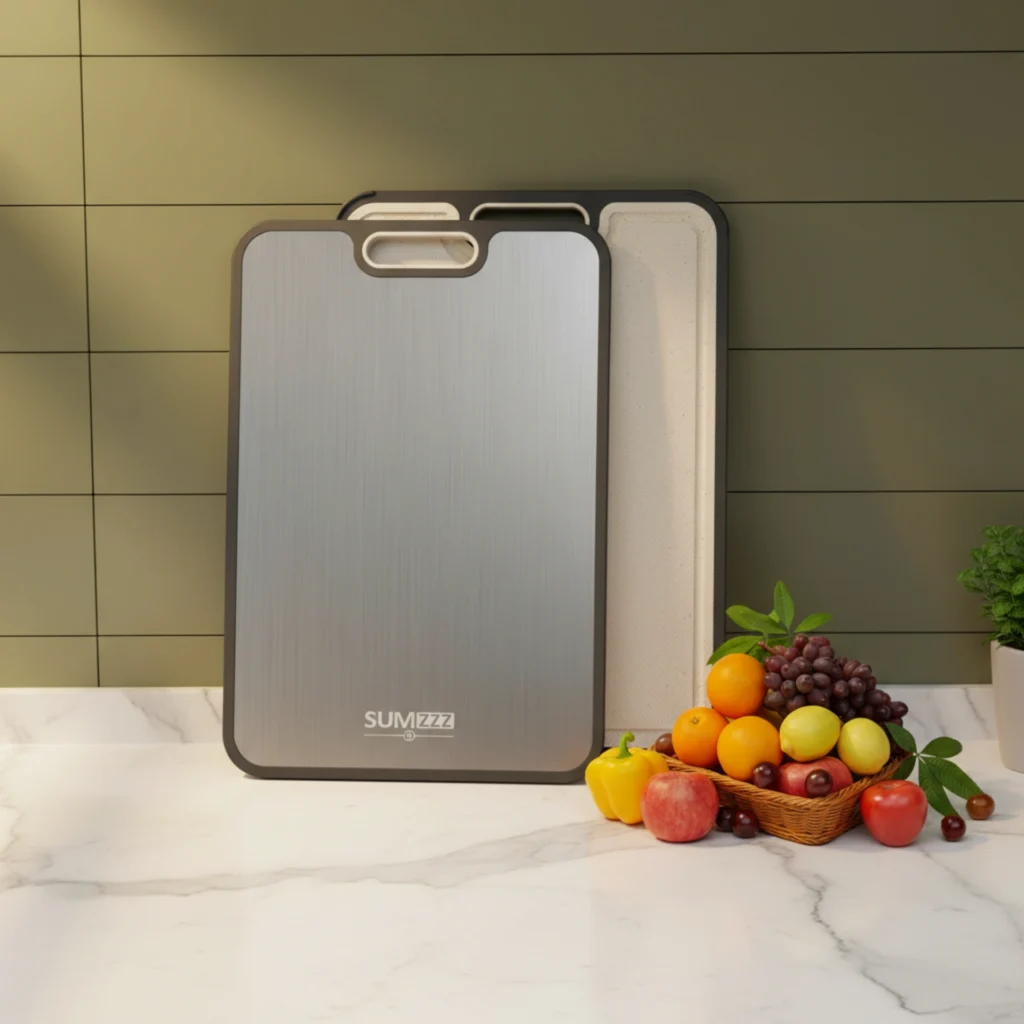
Titanium Cutting Boards for Kitchen

FARBERWARE 5-Piece Measuring Cup Set
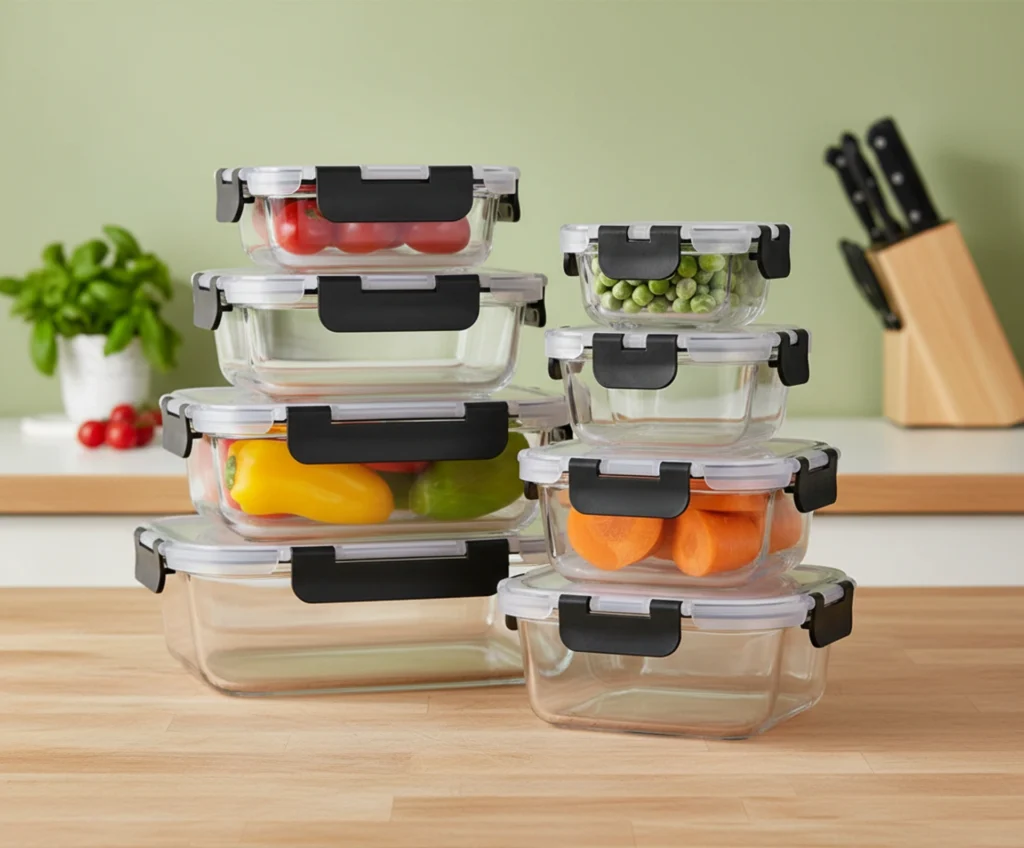
8 Pack Borosilicate Glass Food Storage Containers