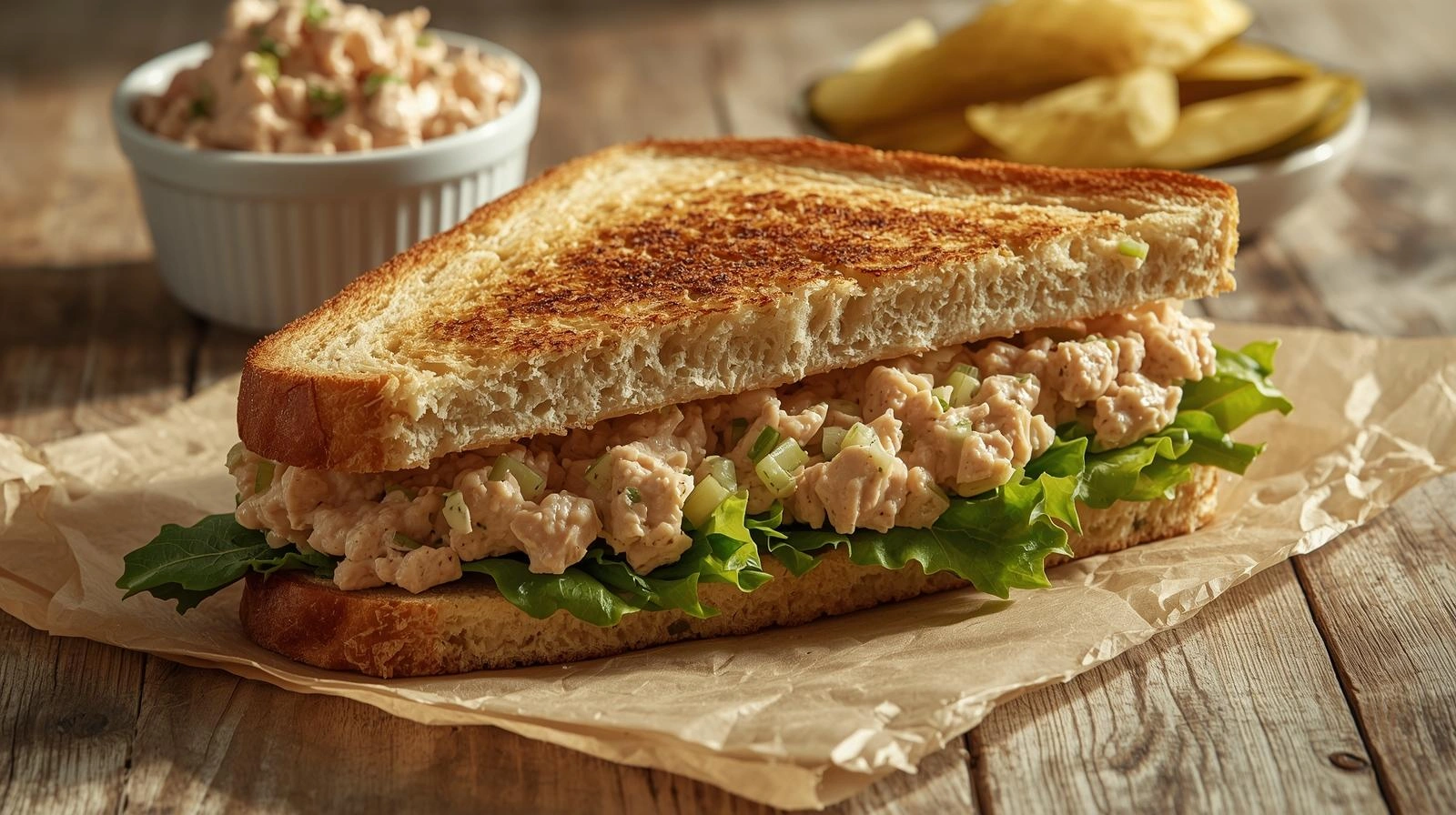
Tuna Salad Sandwich: Best way to Make It Creamy (Not Soggy)

As an Amazon Associate, I earn from qualifying purchases, at no extra cost to you.
You probably know the feeling. You’re hungry, you want something fast, and a tuna salad sandwich sounds perfect. Then you bite in and the bread is damp, the filling tastes flat, and the whole thing kind of collapses. Not a tragedy, but also not what you hoped for.
The good news is that a tuna salad sandwich doesn’t need fancy ingredients to taste like a deli lunch you’d actually pay for. It mostly comes down to moisture control and a couple of small choices that stack in your favor. This tuna salad sandwich recipe is built to stay creamy, hold its shape, and still taste fresh even if you pack it up for later.
Why Tuna Salad Sandwiches Get Soggy (And How You Stop It)
Sogginess usually comes from a simple combo, excess water plus time.
Canned tuna, especially tuna packed in water, carries more moisture than you think. You can drain it and still leave plenty behind. Then you add relish or lemon juice, maybe tomatoes, and now your filling is basically asking the bread to soak it up.
A few things are likely to make it worse:
- You don’t press the tuna after draining it
- You mix in wet add-ins too early (relish, chopped pickles, cucumbers)
- You assemble the sandwich while the salad is still warm from the kitchen
- You use soft bread with an open crumb that drinks moisture quickly
- You store the assembled sandwich for hours without a “barrier” layer
If you remember one idea, make it this: you’re trying to keep water in check, not eliminate creaminess. Mayo gives creamy texture without adding much water, while watery ingredients sneak moisture into the mix.
Tuna Salad Sandwich Recipe Ingredients
Before you start, pick a lane. Do you want classic deli style, or lighter and tangier? Both work, but the ingredient balance changes a little.
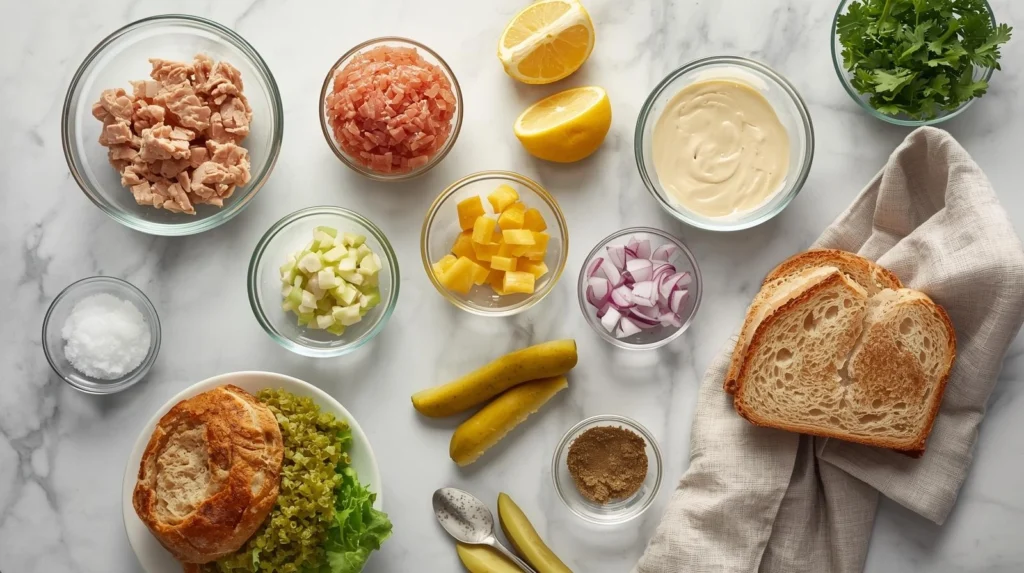
Base ingredients (serves 2)
| Ingredient | Amount | Notes |
|---|---|---|
| Canned tuna | 2 cans ( 5 oz each) | For the firmest, least mushy texture, I highly recommend using a premium catch like Wild Planet Wild Albacore or a reliable classic like StarKist Chunk Light |
| Mayonnaise | 3 to 4 tbsp | A rich, high-quality mayo is essential for a perfectly creamy sandwich. Hellmann’s Real Mayonnaise provides the best consistency without separating or watering down your salad. |
| Dijon mustard | 1 to 2 tsp | Don’t skip this! A small dash of authentic Maille Mustard adds the perfect tangy bite to balance out the richness of the mayo. |
| Celery (finely diced) | 2 tbsp | Crunch, keep dice small |
| Red onion or scallion (finely chopped) | 1 to 2 tbsp | Optional, go easy if you pack lunch for meetings |
| Lemon juice or pickle brine | 1 tsp | Brightness, a little is enough |
| Salt | To taste | Add at the end |
| Black pepper | To taste | Fresh ground is worth it |
Optional add-ins (pick 1 to 3)
| Add-in | Amount | What it does |
|---|---|---|
| Sweet pickle relish | 1 to 2 tsp | Classic taste, can make things wet if you overdo it |
| Dill pickles (chopped, patted dry) | 1 tbsp | Crunch and tang |
| Greek yogurt (swap for some mayo) | 1 to 2 tbsp | Lighter, tangier, slightly looser texture |
| Hard-boiled egg (chopped) | 1 | Makes it more filling, old-school vibe |
| Fresh dill or parsley | 1 tbsp | Fresher flavor |
| Paprika or cayenne | 1/4 tsp | Gentle heat |
| Celery seed | Pinch | Deli-style aroma |
A quick note on tuna choices: albacore tends to be thicker and flakier, so it holds up well in a sandwich. Light tuna blends easier and can feel creamier. Either one works for this tuna salad sandwich recipe, you just adjust the mayo slightly.
Step-by-Step: How to Make It Creamy (Not Watery)
This is where most “meh” tuna salads go wrong. The order matters more than people admit.
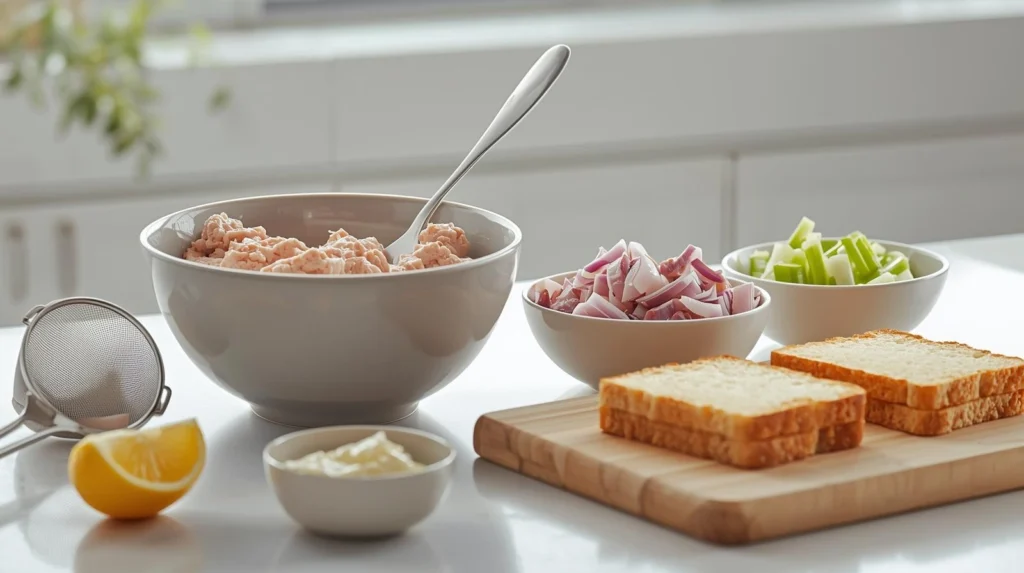
1) Drain, then press the tuna
Open the cans and drain them well. Then do the extra step that changes everything: press the tuna.
You can do it two ways:
- Fine-mesh strainer method: Put tuna in a strainer and press firmly with the back of a spoon for 20 to 30 seconds
- Paper towel method: Wrap the tuna in a few layers of paper towel and squeeze gently over the sink
You’re not trying to dry it into dust. You’re just pulling out the extra water that would otherwise end up in your bread.
Pro tip: To guarantee your sandwich never gets soggy, I highly recommend using a dedicated tuna press lid or a sturdy OXO fine-mesh strainer to quickly squeeze out every drop of liquid. It’s significantly faster and gets the tuna much drier than just soaking it up with heavy-duty paper towels.
2) Mix your creamy base first
In a bowl, stir together:
- 3 tbsp mayo
- 1 tsp Dijon
- 1 tsp lemon juice or pickle brine
- A few grinds of pepper
Stir that until smooth. This matters because it coats the tuna evenly. If you dump mayo straight onto tuna chunks, you’ll usually overmix trying to distribute it, and the texture can turn pasty.
3) Fold in tuna, then add crunch
Add the pressed tuna and fold gently with a fork. Flake it, don’t mash it.
Then add celery and onion or scallion.
At this point, look at the texture. If it seems a little dry, add the last 1 tbsp mayo. If it looks glossy and loose already, stop. It will loosen slightly as it sits.
4) Salt at the end, then chill
Salt pulls moisture out of ingredients. That’s not always dramatic, but it can make a difference if you’re using pickles or onion. Season at the end, taste, adjust.
If you have time, chill the tuna salad for 20 to 30 minutes. It thickens and tastes more “together.” You can still use it right away, but chilling is likely to improve texture.
That’s the core tuna salad sandwich recipe. Now you just need to assemble it in a way that keeps the bread intact.
Bread and Assembly Tips That Actually Work
Bread is not just a container, it’s part of the system. Some breads soak fast, others give you a longer window.
Best breads for a tuna salad sandwich
- Sourdough: sturdy, a little chewy, handles moisture well
- Whole wheat sandwich bread: practical, decent structure
- Ciabatta rolls: strong crust, good for packed lunches
- Bagels: nearly sog-proof if you toast lightly
- Brioche: tasty but soft, you need a barrier for this one
Sourdough held up best when the sandwich sat for a while. Softer sandwich bread was fine for immediate eating, but it lost structure much faster once filled.
If you’re packing lunch, choose something sturdier. If you’re eating immediately, you can get away with softer slices.
Toasting is non-negotiable for the perfect crunch. Whether you use a standard Cuisinart 2-Slice Toaster or a multi-purpose Cuisinart Air Fryer Toaster Oven, getting that crisp edge keeps your bread firm and delicious under the moist tuna salad.
Use a moisture barrier
This sounds fussy but it takes 10 seconds.
Try one of these:
- Spread a thin layer of mayo or butter on the bread, yes even if you already used mayo in the salad
- Add a lettuce leaf between bread and tuna
- Toast the bread lightly to dry the surface a bit
Tomatoes are the main troublemaker. If you love tomato on tuna, keep slices separate and add them right before eating.
Simple assembly order
- Bread
- Butter or mayo barrier
- Lettuce (optional but helpful)
- Tuna salad
- Extras (pickles, tomato at the last second)
- Bread
That order makes a noticeable difference, especially if your sandwich sits for an hour.
Flavor Variations (Same Base, Different Mood)
You can keep this tuna salad sandwich recipe as your default and still change the vibe without starting over.
Classic deli style
- Add a pinch of celery seed
- Use dill pickles instead of relish
- Extra black pepper
Lighter, tangier version
- Replace 1 to 2 tbsp mayo with Greek yogurt
- Add more herbs
- Keep the onion mild
This one appears to taste fresher, but it can be slightly looser. Pressing the tuna becomes even more important.
Spicy version
- Stir in 1 tsp sriracha or a small spoon of chili crisp
- Add scallions
- Pepper jack cheese if you want it more “sandwich shop”
Mediterranean-ish twist
- Parsley plus lemon zest (tiny amount)
- Capers, but pat them dry
- A few chopped olives, again not too many or it turns salty fast
You’ll notice the theme: big flavor, low water.
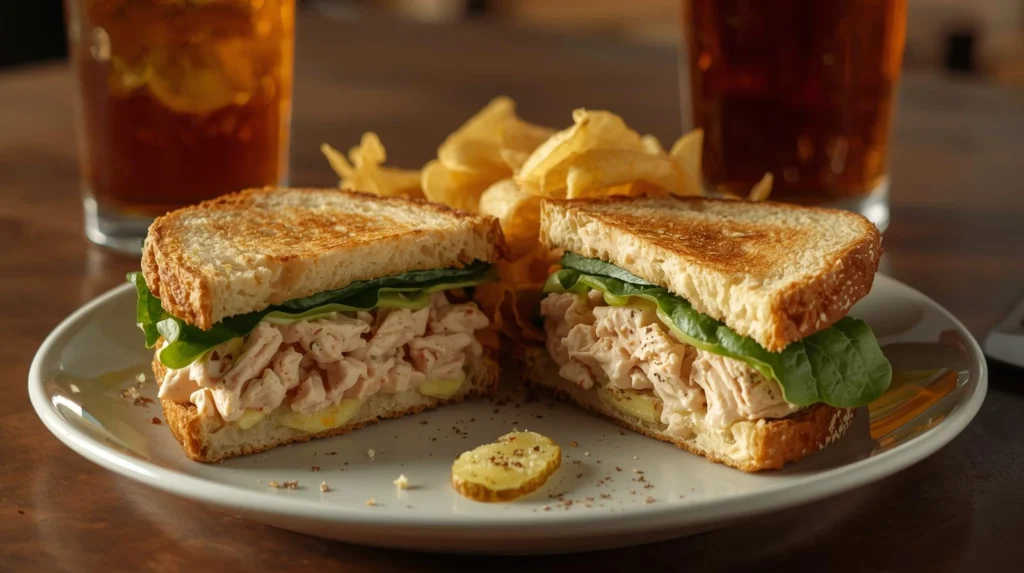
Make-Ahead, Storage, and Food Safety (Without Getting Paranoid)
If you meal prep, tuna salad is convenient. It’s also a food where you should be sensible.
In general, tuna salad is best within 3 to 4 days in the fridge in an airtight container. Keep it cold. If it sits out at room temperature for too long, it’s safer to toss it. The “two-hour rule” you see in food safety guidance is a good baseline, and if it’s hot out, the safe window is shorter.
For best texture, store components separately:
- Tuna salad in a sealed container
- Bread in a bag so it stays dry
- Tomato or watery veggies in a separate container
- Assemble when you’re ready to eat
If you must assemble ahead of time, use sturdy bread, add a butter or mayo barrier, and put lettuce between tuna and bread.
Pro tip: To keep your make-ahead tuna salad tasting fresh without absorbing fridge odors, always store it in high-quality VERONES Airtight Glass Containers. If you’re packing the actual sandwich for lunch, wrap it tightly in eco-friendly beeswax wraps or slide it into reusable silicone sandwich bags to keep everything perfectly intact on the go.
Troubleshooting: Fix Common Tuna Salad Problems Fast
Even with a solid tuna salad sandwich recipe, sometimes you end up with a bowl that feels off. Here’s how to fix it without starting over.
If your tuna salad is watery
- Add more pressed tuna if you have it
- Stir in a small spoon of mayo to rebind
- Pat wet add-ins dry, then add them back
- Chill for 20 minutes, it often firms up
If you used relish, that’s likely the source. Switch to chopped pickles next time and dry them first.
If it tastes bland
- Add salt a little at a time
- Add a tiny splash more lemon juice or pickle brine
- Add Dijon, pepper, or celery seed
- Fold in fresh herbs
Bland tuna salad is usually missing salt and acid. Fix those before you add more mayo.
If it’s too thick
- Add 1 tsp lemon juice or pickle brine
- Add a spoon of Greek yogurt
- Add more diced celery for crunch
Go slowly. A tablespoon of extra liquid is enough to flip it from thick to sloppy.
FAQ: Tuna Salad Sandwich Recipe Questions
What’s the secret to a creamy tuna salad sandwich recipe that isn’t soggy?
Press your drained tuna, keep watery ingredients under control, and use a barrier on the bread like butter, mayo, or lettuce.
Can you make this tuna salad sandwich recipe the night before?
Yes, and it’s likely to taste better after chilling. Keep the salad in a container and assemble your sandwich right before eating so the bread stays dry.
What tuna is best for a tuna salad sandwich recipe?
Albacore tends to be firmer and mild, while light tuna is softer and blends easily. If you want a chunkier deli feel, albacore is a safe bet.
How do you keep a tuna salad sandwich from getting soggy in a lunchbox?
Use sturdy bread, add a mayo or butter barrier, include lettuce, and pack tomatoes separately. Assemble at lunch if you can.
Can you make a tuna salad sandwich recipe without mayo?
You can. Greek yogurt works, mashed avocado works, hummus works, but each option changes flavor and texture. Yogurt is tangy and can loosen the mixture, avocado is creamy but can brown, hummus is thicker and more savory.
Conclusion: Your Creamy, Not Soggy Tuna Sandwich Is a Technique Problem
Once you get the moisture part right, the rest is easy. Press the tuna, build a creamy base first, add crunch last, and protect your bread. That’s what keeps this tuna salad sandwich recipe from turning into a soggy mess, even when real life gets in the way and you can’t eat it immediately.
If you try it, make it your own. Add pickles or herbs, go spicy, keep it classic, whatever fits your week.
My Kitchen Essentials for Tuna Salad.
Below are Amazon affiliate links
Titanium Cutting Board for Kitchen
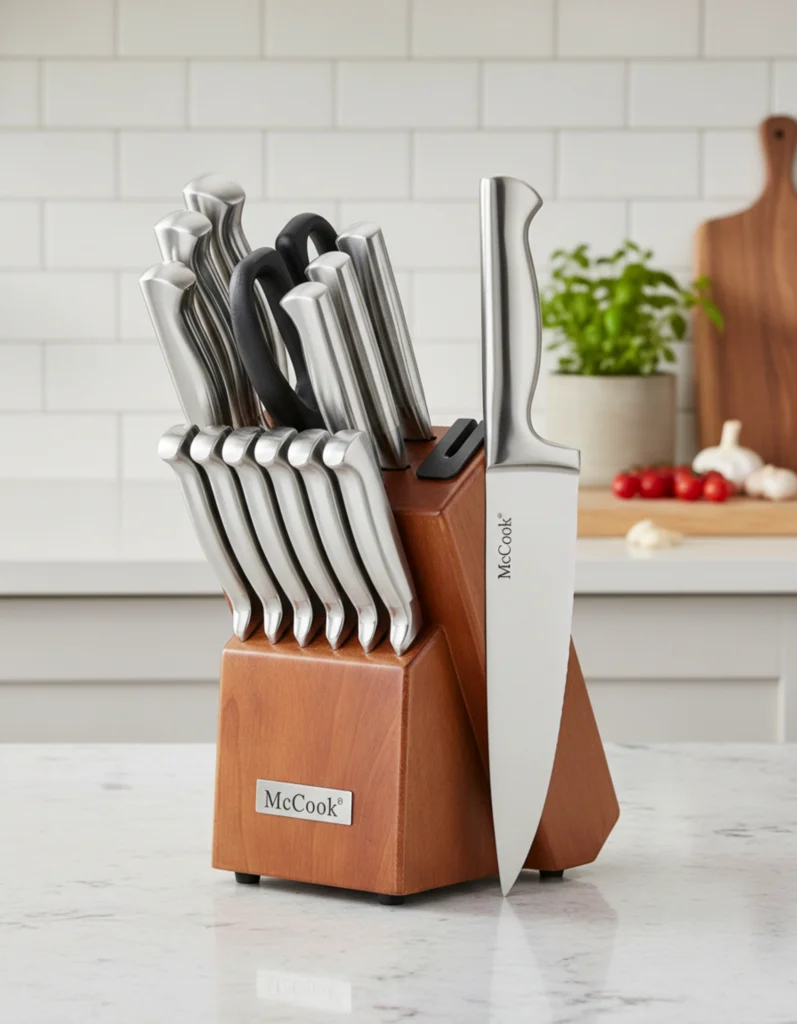
McCook® Knife Sets
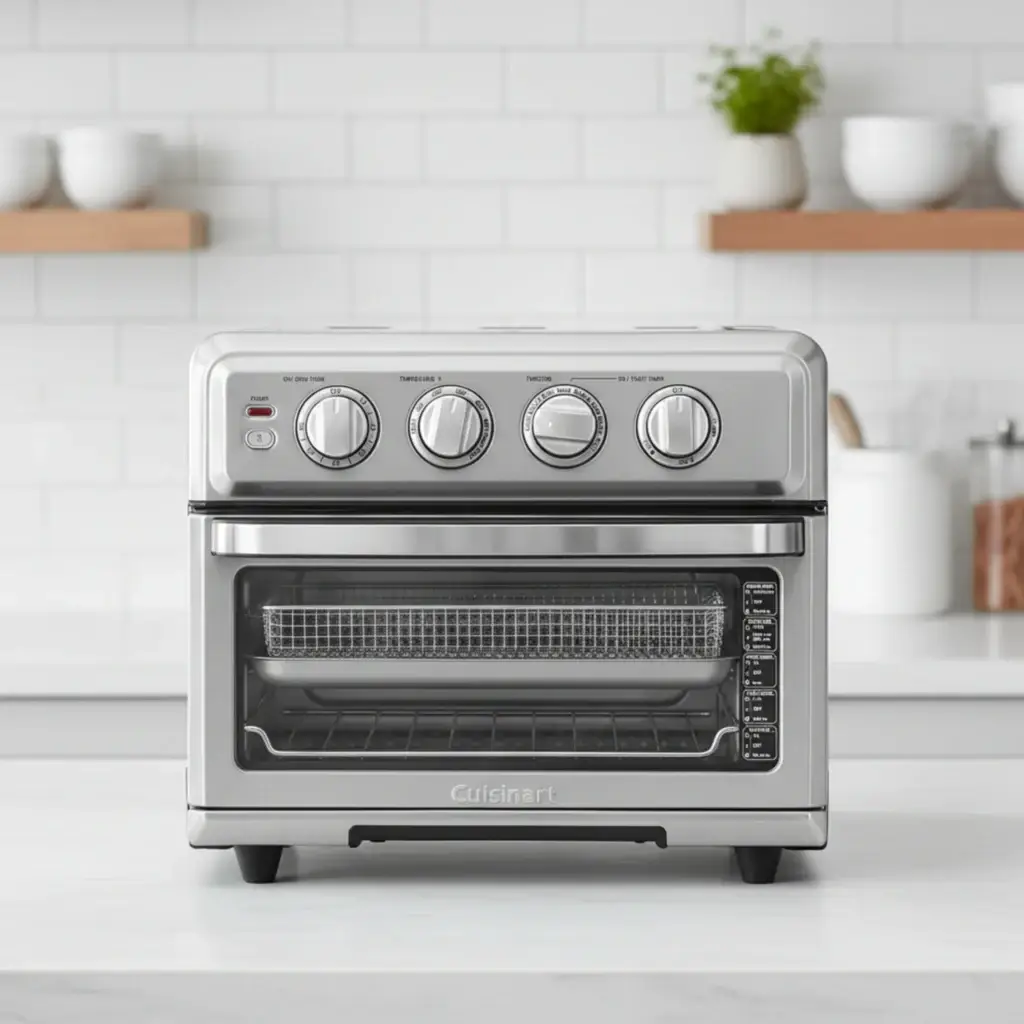
Cuisinart Air Fryer Toaster Oven
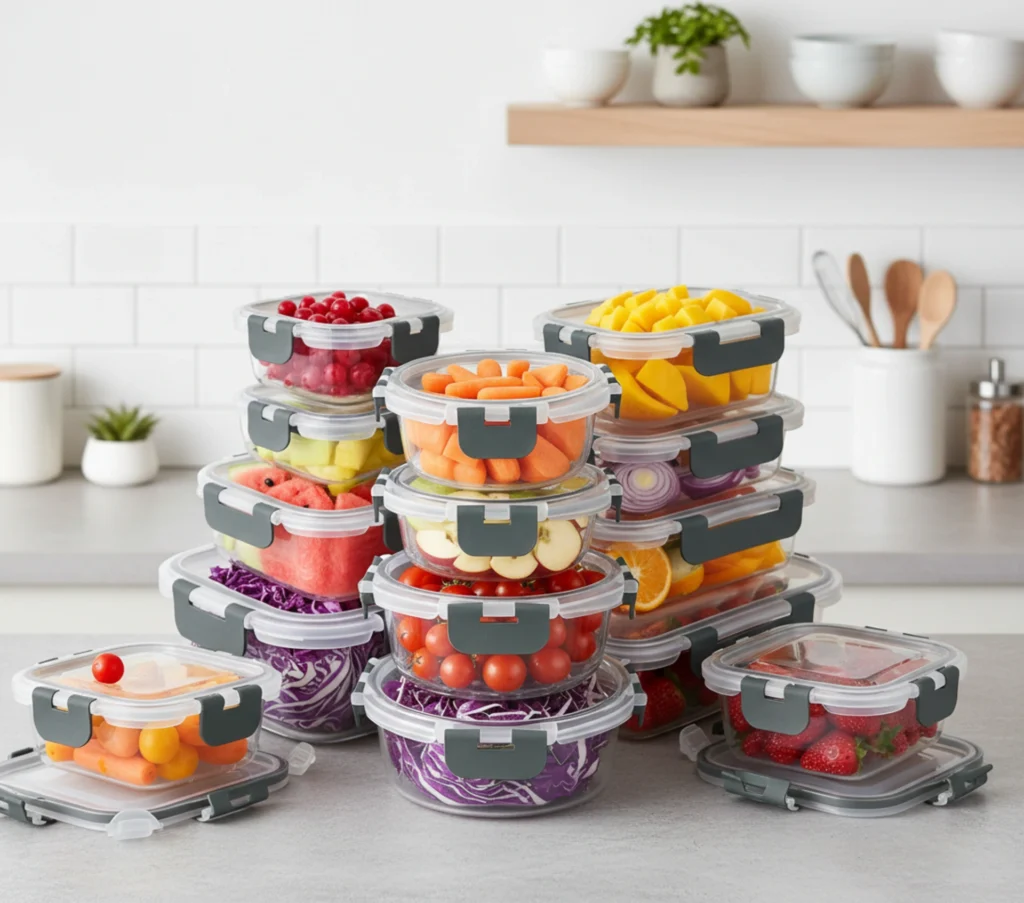
VERONES 12 Packs Glass Food Storage Containers

Tuna Salad Sandwich
Ingredients
Method
- Drain the tuna well and press out excess liquid.
- Mix mayonnaise, Dijon mustard, lemon juice, salt, and black pepper until smooth.
- Flake the tuna gently in a bowl.
- Add celery, onion, and parsley, then fold in the dressing.
- Toast bread lightly if desired.
- Add lettuce if using, spoon on the tuna salad, and close the sandwiches.
- Serve immediately, or chill the tuna salad before assembling.
Notes
- Pressing the tuna well is the main step that prevents sogginess.
- Store the tuna salad separately if making ahead.
- Add the extra teaspoon of mayo only if the mixture feels too dry.

Your email will not be published